
Video: Ricotta Cheese

by Sarah, The Healthy Home Economist on June 13, 2012


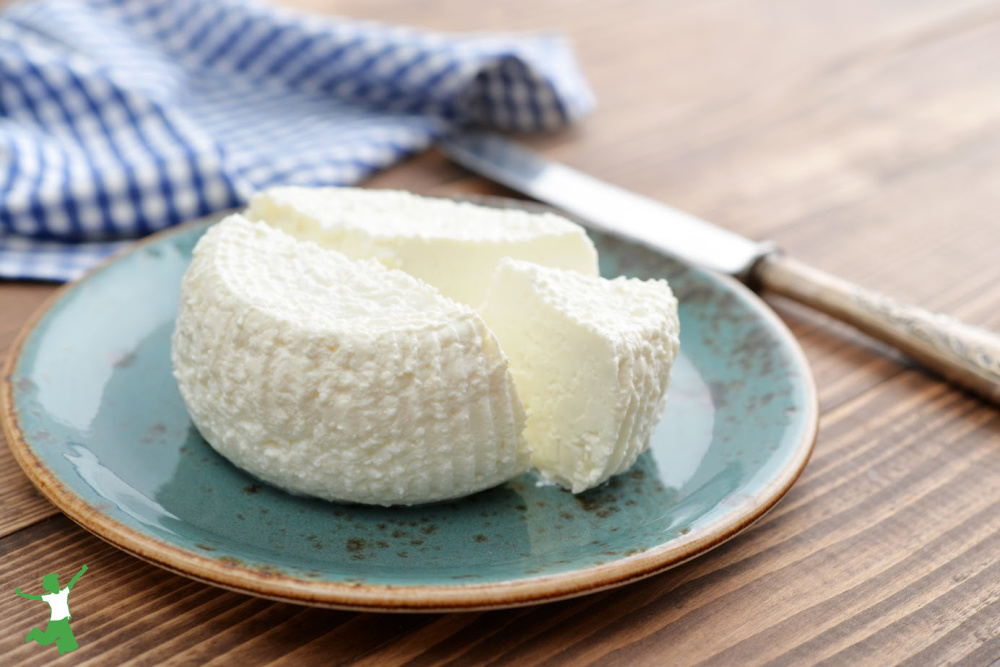
If you are interested in trying your hand at making cheese, ricotta is a great one to start with.

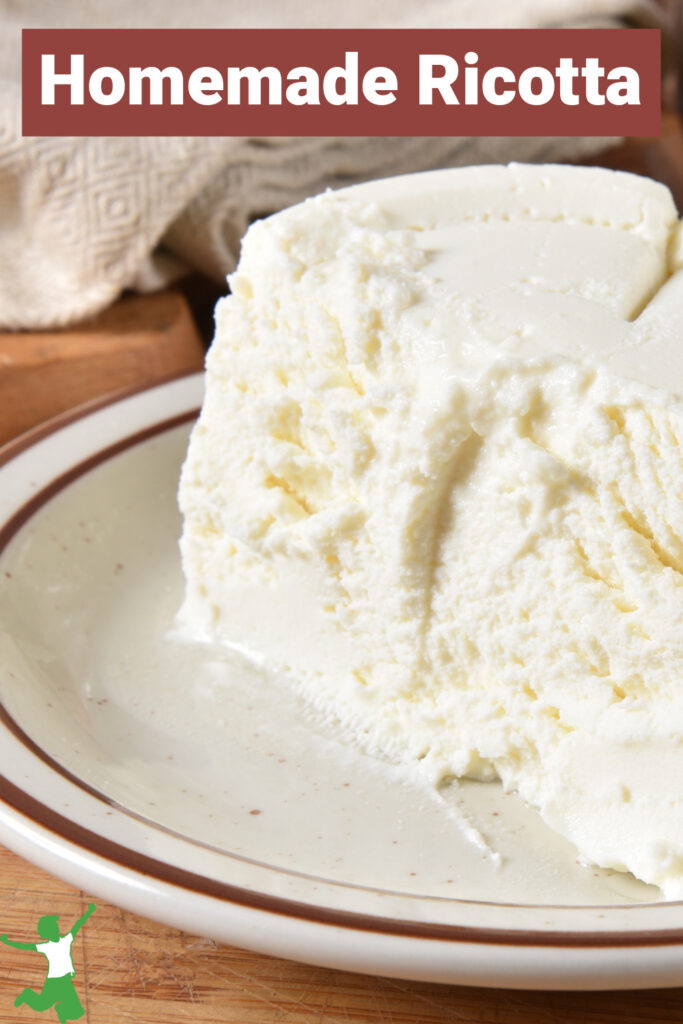
The deliciously sweet, creamy ricotta curds are slightly off white in color with a taste and texture a bit reminiscent of cottage cheese though considerably lighter.

The great news is that messing up ricotta is just about impossible!  It is one of the easiest cheeses you will ever attempt and the results are so delectable you will no doubt be making it over and over again.

I first learned to make ricotta along with a number of other cheeses 6 years ago when an expert cheesemaker from Wisconsin (where else?) who was planning a vacation in my area emailed me and asked if I would host a cheesemaking class in my home.

The class turned out to be extremely fun and informative and the techniques I learned I have continued to use to this day.

There are 3 different ways to make ricotta that I have discovered over the years in addition to the one approach I learned in that beginner cheesemaking class.   I overview all three approaches in this video lesson.

Choose whichever method suits you best with whatever type of milk or whey you have on hand.

If learning to make cheese is exciting to you, check out my other cheesemaking posts here:

  • Drowning in Whey?  Make Gjetost Cheese.  This post is a good one to read after learning to make ricotta as the leftover whey can be used to make gjetost if you chose to make ricotta from fresh milk.

Sarah, The Healthy Home Economist

Picture Credit


The Healthy Home Economist by E-mail


{ 34 comments… read them below or add one }

Tamara Slack June 13, 2012 at 10:40 am

Love this!! I’m so excited to make this someday.

Question: if I can’t get low temp pasteurized milk, what to do?

And is Hartzler’s (sp?) low temp? A friend uses that from a co-op and loves it. (can’t get raw milk here in Ohio *sad*).

Thanks!
Tamara
Tamara Slack\’s last post: Gluten Free Spinach Corn Cakes Recipe

Reply

Kate @ Modern Alternative Mama June 13, 2012 at 11:28 am

Tamara,

Hartzler and Snowville are both low-temp pasteurized and grass-fed. However, yes, you CAN get raw milk in Ohio. I am in central OH and have several sources I know of (and we have been getting raw milk for 2 years). Email me if you want to know where.
Kate @ Modern Alternative Mama\’s last post: And So It Begins….

Reply

bonnie January 5, 2013 at 7:24 pm

Hi,
Just read that we Ohioians can’t get raw milk. My family is part of a herd share and can legally get raw milk. Look into it. I think the web site I found my group on was rawmilk ohio or something like that. Good luck.
Bonnie

Reply

Jessica Belsha June 13, 2012 at 11:19 am

Who knew it would be so easy to make Ricotta! I’m SO glad to have found another use for slightly soured milk. Thanks so much!

Reply

Prepper Chicks via Facebook June 13, 2012 at 12:04 pm

awesome ~ sharing!

Reply

Tricia Swenson via Facebook June 13, 2012 at 12:55 pm

I was trying to do this the other day…big fail! I’ll have to watch that and figure out what I did wrong!

Reply

Megan June 13, 2012 at 1:25 pm

Thanks for posting this great, informative video, Sarah! Quick question, can I make ricotta from whey that has been in my fridge for approx. *4* months!? Or is that too old?

Reply

Sarah, TheHealthyHomeEconomist June 13, 2012 at 1:43 pm

It will probably work. It won’t work to make gjetost cheese though as whey needs to be very fresh for that. Remember that you won’t get much ricotta from plain whey .. maybe just a few TBL per half gallon or so.
Sarah, TheHealthyHomeEconomist\’s last post: Video: Ricotta Cheese

Reply

thehealthyhomeeconomist via Facebook June 13, 2012 at 3:23 pm

@Tricia I hope the video helps you figure things out so the next time it works for you ;)

Reply

Dorsey Clark June 13, 2012 at 3:34 pm

Thanks so much for yet another great video.
One question… you said what you CAN”T do with the whey from the vinegar method but you didn’t say what you could do with it.
What are your suggestions? :-)

Reply

Mary Kate June 13, 2012 at 3:37 pm

Can I still make this if it is a little more then slightly soured? I am hoping you say YES! LOL
I would love to do this with my milk. :)

Reply

Mary Kate June 13, 2012 at 9:47 pm

I still made this. I added some salt to it, and it tastes great! The children loved it! Thank you so much.
I also made some sour cream with the soured milk. YUM!

Reply

Tricia Swenson via Facebook June 13, 2012 at 3:40 pm

Well, I didn’t realize that whey would only give so much cheese. That was my problem. Next time I go to make it, I’ll do the last method you suggest. Thanks!

Reply

Kerry June 13, 2012 at 5:33 pm

I don’t understand why the vinegar is a problem for the plants. The water in my area is alkaline and I use vinegar to adjust the Ph to be more acidic. In fact, farmers use acids in alkaline areas to do the same thing. So in that case, why would the vinegar in the whey be a problem?

Reply

Codayvon June 14, 2012 at 12:26 am

Ricotta is WHEY cheese. The method you describe is CURD (CASEIN) cheese. Check out the traditional Italian methods (do a google search); too many people seem to confuse ricotta with this curdling process. I don’t get this. If you buy true ricotta, the main ingredient is (or should be) whey — not curd (casein). This looks good anyway; but it aint ricotta.

Reply

Sarah, The Healthy Home Economist June 14, 2012 at 3:05 pm

Please watch the video!
Sarah, The Healthy Home Economist\’s last post: Help Legalize Interstate Sales of Raw Milk and NonGMO Seeds

Reply

Milla June 14, 2012 at 5:42 am

“No longer good for drinking?” in Russia we drink ‘Prostokvasha’ all the time! Its amazing, like drinking yoghurt! Just leave it at room temp until it becomes a little clumpy, and then transfer to fridge! Dip hot, toasted sourdough rye bread into it – heaven!

That said, thanks for the recipe, I’ve always wondered how to make good sweet ricotta :-)

Reply

Janet June 14, 2012 at 1:30 pm

This s great Sarah. Wondering though, how is this ricotta cheese different from making cream cheese the same way. (cream cheese is not heated, just drained separated milk. Is that the only difference?)
Also, what can you do with ricotta cheese once it is done? is it eaten on crackers like cream cheese or do you use it to cook with it making dumplings, etc.?

Reply

Megan of RojerThat.com June 14, 2012 at 2:51 pm

We make ricotta using whole milk, then use the ricotta for just about any recipe that calls for cheese BUT our favorite is lasagna. You can read about our accidental ricotta by clicking here: http://rojerthat.com/2011/11/28/our-unexpected-thanksgiving-feast/

Then we use the leftover whey in place of water in recipes to add a cheesy flavor to pasta recipes, etc.
Megan of RojerThat.com\’s last post: Did Your Child Get A Bowl of Poison For Breakfast?

Reply

Our Small Hours June 15, 2012 at 2:48 pm

This has to be one of my favorite videos yet! These videos are so valuable. Thank you for taking the time to share them with us!
Our Small Hours\’s last post: My Traditional Foods Food Diary

Reply

Caitlin Bourne June 15, 2012 at 4:36 pm

Yay! Now I know what to do with FIVE gallons of milk that I accidentally let slightly sour!

Reply

Jennifer Buntrock Boston via Facebook June 15, 2012 at 11:41 pm

What about cottage cheese? Can we make that at home?

Reply

Carmella Cannova June 15, 2012 at 11:59 pm

What to do with ricotta? You mix it with whipping cream and chocolate and put in cannolis!

Reply

Tessa June 20, 2012 at 1:02 am

I just tried this. The consistency is more like mozzarrella than ricotta. Did I let it heat up too long?

Reply

Cindy June 24, 2012 at 11:22 am

Can you freeze this ricotta cheese? How long will it store in the fridge? Thanks!

Reply

Arlana June 28, 2012 at 3:19 pm

Hi Sarah, I tried to make ricotta today and failed!! I made feta yesterday, could not get to the whey yesterday, put it in the fridge overnight, put it in a pot heated till 190 degrees, added 1 quart of raw goats’ milk and heated back to 190. No curds formed AT ALL!!! I added about 1/2 c vinegar as I had 3 gallons of milk. Still nothing??? can you please tell me what happened? I have followed this recipe alot before with great succes.
ahtank yu

Reply

Megan of RojerThat.com July 20, 2012 at 2:48 pm

Funny (or not actually) I just had this same problem, Arlana. I’ve made ricotta several times, but this time I used slightly soured milk and got nothing but vinegar flavored sour milk. Yuck! If anyone can help with some advice, I’d appreciate it! Or what to do with my new gallon of nastiness. :-( God bless!
Megan of RojerThat.com\’s last post: Adding To Our Medicine Chest: Aloe Vera

Reply

barb October 27, 2012 at 1:45 pm

useing tihs method can you use the whey for other things like to make salsa, lemonaid and so on….

Reply

katherine November 4, 2012 at 8:54 pm

First method did not work for me. Heated 1 gal fresh raw cows milk to 175, removed from heat and added 3 tbs vinegar and 1 tsp salt. It barely separated. After a few minutes, returned to heat; heated to almost 200 before finally getting fed up and adding citric acid (called for in the recipe for whole milk ricotta I usually use). Bummed – really wanted it to work without the citric acid. I’ve successfully made whey ricotta using only vinegar and salt, but still never whole milk ricotta.

Reply

Jill Swanson November 7, 2012 at 1:13 pm

Hi Sarah!

Thanks for the video! I let my milk sour on the counter for about a day and then tried the 3rd method in teh video and there was no visible separation, so I added some vinegar (even though it was already heated to over 175) and then it separated. Do you think it is b/c I didn’t let my milk get sour enough? I usually sit it out for 3-4 days for cream cheese/whey, so maybe one day wasn’t enough? Also, the liquid separating out from my cheese is white like milk rather than yellow like whey–did I not let it sit long enough?

Thanks for any help!

Reply

janette January 31, 2013 at 7:54 pm

Hi sarah! we love your site..I have just started my family on this new path of healthy living. It is a little over welming but already feel great. my question is about cream cheese/whey. my husband and i made our first whey out of our soured milk..we followed your video to the T..but the next day when we went to eat out cream cheese it tasted so sour and gross:/ i dont know if we did something wrong or if thats the way its suppose to taste. Also if its not good to eat does that mean our whey is also bad? Thanks for all you do for my family :0 you are truley changing lives:) God bless.

Reply

Cindy February 21, 2013 at 5:25 pm

Hi Sarah,

Love your video’s. I don’t see the ricotta cheese any more, can we access it any where else?

Thanks.

Reply

Renate F. February 21, 2013 at 10:01 pm

Hi Sarah, can I make Ricotta cheese or the other cheese you mentioned from heating Whey that I have from making cheese from raw milk and rennet?? Or is rennet like vinegar too acid to se used again? Thanks Renate

Reply

Kathie April 12, 2013 at 5:09 pm

Sarah – This is my 2nd time making ricotta cheese and we loved it – thank you so much for the great videos – as I was reading through the comments I was looking for any ideas of what to do with the whey if we use the vinegar method. I noticed others had the same question. Do you have any suggestions?

Reply

Leave a Comment

CommentLuv badge

{ 2 trackbacks }

Previous post:

Next post: