
Table of Contents[Hide][Show]
How to use Epsom salts to improve health and why magnesium sulfate is enjoying renewed prominence as an effective detoxification aid, for replenishment of important minerals, and as an inexpensive home remedy.
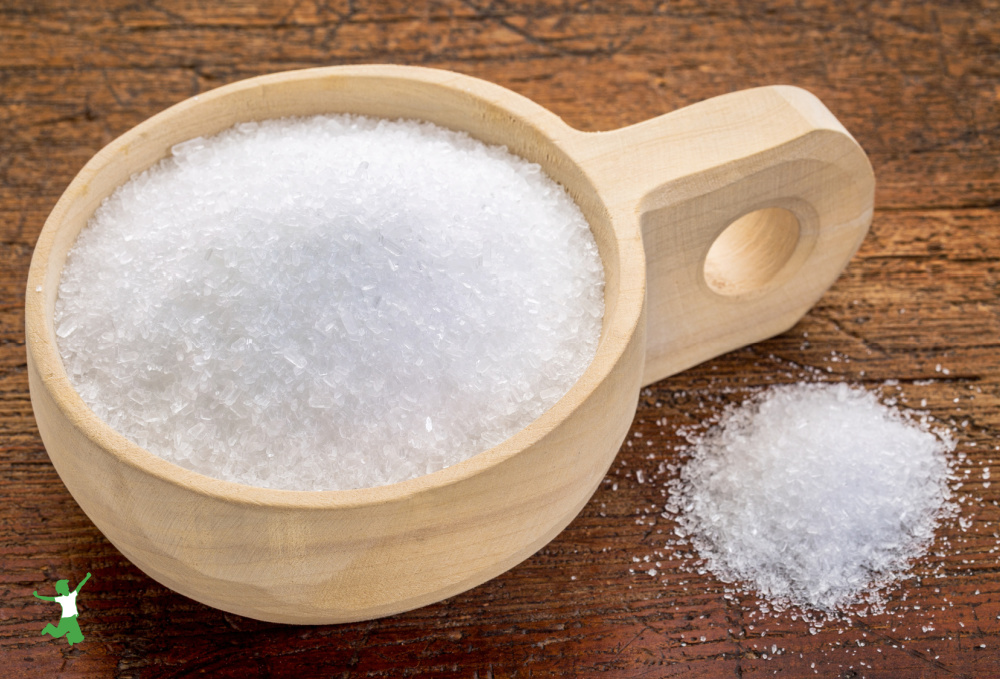
If you haven’t yet discovered the significant improvements that an Epsom salt bath once or twice a week can bestow on your health, my hope is that this article on its benefits will convince you to start the practice of detoxification bathing right away!
The simplicity of bathing in Epsom salts and warm water is a cleansing ritual that has the potential to both improve your body’s elimination pathways and help resolve two very serious nutritional deficiencies at the same time.
For this reason alone, if you are going to choose a single holistic bathing therapy to incorporate into your weekly routine, a relaxing soak or two in an Epsom salt bath is definitely IT!
The active ingredient in Epsom salt is magnesium sulfate, a compound comprised of two minerals critical to human health: magnesium and sulfur.
Despite the important role these minerals play in human physiology, the vast majority of people are deficient in both sulfur and magnesium, many seriously so.
What’s more, they are readily absorbed via the skin, with numerous health authorities suggesting the process is more efficient transdermally than orally.
As a result, an Epsom salt bath can be considered a superior way to nourish the body, particularly when consuming food-based sources or supplements containing these nutrients doesn’t seem to be doing the trick due to digestive imbalances.
How Epsom Salts Detoxify
The human body requires sufficient magnesium for every single biological function to be performed effectively. This is also true for proper detoxification to occur.
According to Natasha Campbell-McBride MD, author of the best selling GAPS Diet book, a minimum of twenty-eight molecules of magnesium are necessary to metabolize a single molecule of glucose.
In addition, phosphate ingested via phosphoric acid and similar substances deliberately added to soda, hot dogs, and other processed foods to sharpen flavor, render bioavailable magnesium difficult to metabolize as the phosphorus binds it up into the compound magnesium phosphate.
Thus, those consuming a modern high sugar, high processed foods diet are particularly prone to the devastating effects of magnesium deficiency, which most typically manifests as symptoms of sleeplessness, tics, muscle spasms, leg cramping, seizures, anxiety, and/or irregular heart rhythms.
According to Katherine Czapp, author of Magnificent Magnesium:
Magnesium is utilized by the body for all sorts of detoxification pathways and is necessary for the neutralization of toxins, overly acidic conditions that arise in the body, and for protection from heavy metals. It plays a vital role in protecting us from the onslaught of man-made chemicals all around us. Glutathione, an antioxidant normally produced by the body and a detoxifier of mercury, lead and arsenic among others, requires magnesium for its synthesis. (1)
Mark Sircus, author of Transdermal Magnesium Therapy, warns that a deficiency of magnesium will increase free radical generation in the body. This biological state triggers the loss of glutathione, the mother of all antioxidants, which is produced by the liver. (2)
This is a devastating effect because glutathione is essential to protect the body from the damaging exposures present all around us in modern life, including the cocktail of toxins found in processed foods, personal care products, carpeting, mattresses, furniture, and the like.
Even playing a single round of golf on a recently sprayed course is a seriously toxic experience.
Sulfur Nourishment
Like magnesium, the mineral sulfur, also present in Epsom salts, assists the body’s detoxification pathways.
According to Lawrence Wilson MD, organic sulfur is necessary for the liver’s detoxification mechanisms to function properly. This is necessary to bind and excrete toxic metals, such as mercury, lead, and arsenic.
In addition, sulfur improves the pliability of cell membranes, which increases the efficiency of overall oxygen transport in and out of the cell.
This, in turn, makes for more efficient transport of waste products out of the cell, hence improving detoxification.
Sulfur is critical to many of the body’s biological processes, most especially metabolism. Many people are surprised to learn that sulfur is the 8th most common element in the human body by mass, exceeding even sodium!
Without adequate sulfur, glucose metabolism becomes defective, and muscle and fat cells are damaged as a result of becoming glucose intolerant.
Consequently, sulfur deficiency can easily lead to a variety of painful, inflammatory conditions of the connective tissues.
Impaired glucose metabolism from insufficient sulfur is a factor in obesity and the dangerous condition known as Metabolic Syndrome. This is because one way the body compensates for defective glucose metabolism is by gaining weight.
When sulfur deficiency occurs within the context of a low-fat diet (the typical scenario for Western nations), the problem becomes more serious.
Sources of glucose present in a low-fat diet in the form of refined carbohydrates are directly converted to fat. Worse, the fat is then released into the bloodstream as triglycerides as an attempt by the body to fuel the damaged and inflamed muscle cells.
Poor sulfur status affects the brain as well. Analysis of the minerals present in the cells of the typical Alzheimer’s patient reveals that sulfur is almost nonexistent compared with a normal profile.
Some research has indicated that reversing a sulfur deficiency state can prevent or halt the progression of dementia and possibly even reverse it, provided the patient is still in the early stages where little brain damage has occurred.
Consequently, sufficient sulfur intake is absolutely critical to avoid problems with chronic pain, metabolism, excess weight, and possibly preventing/slowing the progression of Alzheimer’s disease.
The best food-based sources of sulfur are eggs, garlic, cabbage, and onions. Unfortunately, unless these foods are produced in an environment that contains sulfur-rich soil, the amounts of this nutrient are likely not adequate.
It is perhaps not so coincidental that Iceland’s remarkably low rates of depression, obesity, diabetes, and heart disease may be attributed to the line of volcanoes that formed the island nation and whose eruptions periodically blanket the soil with sulfur-containing volcanic rock.
The rapid and devastating depletion of our soils since “The Green Revolution” (which wasn’t green at all!) following World War II, with the advent of monocropping, pesticides, and chemical fertilizers, has caused a corresponding decline in sulfur in the modern diet.
Hence, the need for a regular soak in sulfur-rich waters as practiced by cultures for centuries.
Barring regular visits to natural sulfur springs (one of my favorite outdoor activities here in Florida), a soak in Epsom salts today is less of a luxury than a necessity for long-term health.
Improvement of BOTH Magnesium and Sulfur Status
The Epsom Salt Council provides perhaps the best research to date on how a simple soak in Epsom salt can increase the levels of both magnesium and sulfate in the body. (3)
Nineteen (19) volunteers were recruited for the study by the University of Birmingham’s School of Biosciences in the UK. All were in good health and not currently taking any medication.
Both blood and urine were analyzed for increases in magnesium and sulfur levels following Epsom salt bathing.
The blood samples were taken before the volunteers’ first bath, again at 2 hours after the first bath, and finally at 2 hours after the 7th consecutive bath. Baths were taken daily at the same time for one full week.
Urine samples were collected before the first bath, 2 hours after the first bath, and after all subsequent baths. Urine samples were also taken 24 hours after the last bath.
The research was very conclusive as all study participants experienced a significant rise in blood plasma magnesium and sulfate at a bath solution of 1% Epsom salts. This equates to 600g Epsom salts/60 liters for the standard size UK tub, or 2.5 cups Epsom salts for a 15-gallon standard tub made in the USA.
Wait … Aren’t Magnesium Flakes Better?
Magnesium chloride is the form of magnesium naturally found in seawater.
It is a magnesium mineral salt with extremely high solubility properties.
Some sources claim that flakes of magnesium chloride, aka magnesium bath flakes, used for bathing purposes are superior to Epsom salts with regard to the bio-availability of the magnesium.
However, the research I found suggests that while highly effective as a form of transdermal magnesium, magnesium chloride is no more effective than the magnesium sulfate present in Epsom salts. (4)
As a result, for bathing purposes, Epsom salt is the winner according to my research, as an Epsom salt bath is significantly less expensive than soaking with magnesium flakes.
In addition, Epsom salts bathing offers the detoxifying and nourishing effects of sulfur as a bonus.
Therefore, if you are in need of an effective transdermal magnesium source, it would be a good idea to use a magnesium chloride spray or lotion instead and reserve the Epsom salts for bathing purposes.
How Often?
While you could conceivably take an Epsom salt bath every single day, this is probably not realistic or practical. If you make Epsom salt bath bombs, it certainly makes the experience more fun!
The physiotherapist that has helped my family work through injuries in the past recommends two Epsom salt baths per week for about 15 minutes each (minimum time).
He recommends this not just for injured athletes or weekend warriors (an Epsom salt soak reduces inflammation and bruising), but also for people who are completely healthy with no physical issues of note.
It is best to use a warm water temperature that you can enjoy and sit in for the full quarter-hour without any discomfort.
The suggested temperature range is 101-103 °F/ 38-39 °C, as this optimally opens the pores for maximum transdermal absorption of the organic magnesium and sulfur.
When you are finished with your Epsom salt bath, simply get out of the tub and gently pat yourself dry.
Do not rinse yourself off and most especially do not suds up afterward, as this will prevent any additional absorption of the magnesium and sulfur that can occur as the Epsom salt bathwater dries and remains on the skin.
So Inexpensive!
Possibly the best news of all, besides the fact that you can relax and get healthier at the same time with an Epsom salt bath, is that this holistic therapy is dirt cheap!
Even with the inflation of the last few years, I can still purchase large bags of Epsom salt at the supermarket or drug store for less than $5.
I personally haven’t found a natural remedy that both detoxifies and nourishes that is less expensive or more relaxing.
Because an Epsom salt bath is so enjoyable, this is a simple health routine that you can adopt without any concern that you won’t continue it because it is too expensive or because you cringe every time you think about doing it.
Instead, you will likely think to yourself, “Yay! It’s time for my Epsom salt soak!”
Now that is a holistic therapy that will stick for life.
Soak for Sprains and Bruises
Most of this article has discussed the use of an Epsom salt bath for detoxifying and nourishing the body. It is important to note that it can also be used to speed healing after injury.
For example, when my children suffered from a sprained ankle, dissolving 1 cup of Epsom salts into a gallon of warm water as a detoxifying foot soak was very helpful for quick healing and reduction of swelling and bruising.
Soak the affected area for 30 minutes up to 3 times a day. The Epsom salts solution can also be applied to the injury using bandages or towels if soaking isn’t feasible for whatever reason.
People suffering from plantar fasciitis, gout, and other painful foot ailments can benefit similarly with a simple soak in Epsom salts. Even soreness from exercise is relieved by a full body Epsom salt soak.
Other Helpful Uses
Magnesium sulfate is not only beneficial for healthful bathing, but it can be used as plant food too!
A small amount of Epsom salts can nourish the plants around your home environment, both indoors and outside for garden and landscaping.
This article on the best natural home fertilizers provides details.
Orally for Constipation
Lest you finish this article thinking that Epsom salts are helpful for bathing and other external uses only, let me mention that magnesium sulfate is also therapeutic for relief from occasional constipation.
Some people find using Epsom salts for this purpose is preferable compared to a harsh fiber supplement from the pharmacy.
To use Epsom salts for relief from irregularity, dissolve 2-6 level teaspoons in an 8-ounce glass of water and drink. This dose is for adults and children over 12 years old and may be taken as a single dose or divided up throughout the day. For children ages 6-12, the daily amount is 1-2 level teaspoons in an 8-ounce glass of water.
Again, this dosage can be taken at one time or divided throughout the day. Oral use of Epsom salts is not recommended for children under 6 unless under the supervision of a physician. This article discusses other relief options for constipation in children.
When Epsom salts are used internally for constipation, a bowel movement will typically occur within 1/2 hour or at most 6 hours. If you prefer not to take Epsom salts orally, be aware that even a simple soak in this wonder salt effectively opens elimination channels for many with a visit to the porcelain throne in short order.
Epsom Salts Saved Us a Costly Trip to the Doctor
As if all of the above isn’t enough, Epsom salts can also be used to remove splinters, even if they are deep!
Soaking the affected area in Epsom salts helps, but the most rapid improvement and resolution of the problem occur from bandaging a small number of Epsom salt granules or Epsom salt paste directly to the skin.
The simple process which my husband used a couple of years ago was recommended by a veterinarian friend. It worked like a charm to draw out a deep thorn in his finger. It would have cost $500+ to have a doctor remove it surgically at a walk-in clinic!
Have you experienced the beneficial effects of a simple Epsom salt bath or any of the many other uses for yourself yet? If not, I do hope you try it right away!
Where to Buy
If you are wondering where to buy Epsom salts, the linked article will explain the different labels and grades in detail.
The good news is that pharmaceutical grade is not necessary and will cost you far more, but isn’t necessarily any better!
(1) Magnificent Magnesium
(2) Transdermal Magnesium Therapy
(3) Report on Absorption of magnesium sulfate (Epsom salts) across the skin
(4) Dietary factors influencing magnesium absorption in humans
More Information
Hydrogen Peroxide Bath (for skin infections)
Detox Bath Recipes
Avoiding Detox Symptoms on a Cleanse
Fever Bath to Boost Immunity



Would you ever consider MSM as a way to replenish deficient sulfur?
It is far better to simply eat sulfur rich foods. Eggs (from pastured chickens), garlic and onion are the best sources.
Thanks for this very informative article. The saltworks brand comes in fine, medium and coarse ground. Which of these would you recommend for use in bath or foot soaks?
I used epson salt poultice to draw out wood stuck in son’s leg after reading your article years ago. Took about 3 days but it worked.
I use it often for any cut that may get infected. Works like a charm every time!
Yes, and it works rather quickly too even if the wood/splinter is deep. I’ve used it for tiny pieces of glass stuck in my foot too.
I’ve recently heard magnesium sulfate is actually toxic and should not be used for baths. It was stated that magnesium chloride was the form we should use. Any thoughts? Thank you for your time!
Why would it be toxic? Im assuming its nonsense. Logic applies to everything