
Video: Sprouting Flour

by Sarah, The Healthy Home Economist on April 29, 2010


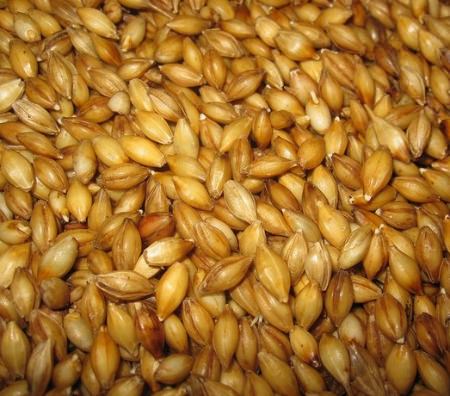
The Video Thursday segment today features how to sprout grains at home and make your own sprouted flour.   China is credited with developing the method for germinating seeds many centuries ago and on long ocean voyages, Chinese sailors used sprouted mung beans as a source of vitamin C for preventing scurvy.   Vitamin C is produced in significant quantities when you sprout seeds.   It is absent from unsprouted seeds!   Many other nutrients are increased substantially from sprouting grains, as I go over in the videos.

If after watching these 2 short videos below you have interest in trying your hand at making your own sprouted flour for baking at home, please contact your local Weston A. Price Chapter Leader for a list of local buying clubs in your area so that you can source your own grain from a quality local co-op.

If you prefer reading about how to sprout flour instead of watching a video, this blog post will tell you how.

Please post any questions on anything I go over in these videos in the comments section just below this blog and I will do my very best to answer them.

Sarah, The Healthy Home Economist


The Healthy Home Economist by E-mail


{ 53 comments… read them below or add one }

Dorsey April 29, 2010 at 1:59 pm

Thanks once again. Do I understand correctly that besides getting more of the C and B vitamins, that sprouting will make the grain more digestible than the soaking method? Is the difference in digestibility significant or mildly different?
I really do enjoy these video Thursdays! Thanks for taking the time as pictures are worth a thousand words. :-)

Reply

Sarah, the Healthy Home Economist April 29, 2010 at 2:14 pm

Yes, you understood that right, Dorsey. In my opinion, sprouting grains creates the most digestible form for consuming grains .. better than soaking or sour leavening. Whether the difference is significant or not probably depends on the person and the state of their gut health. Someone with severe gut imbalance may find it to be significantly more digestible, while someone who has good gut health may not notice much difference at all.

Reply

Leah April 29, 2010 at 2:32 pm

You're actually my local chapter leader and I was wondering where you get your grains from.

Reply

Sarah, the Healthy Home Economist April 29, 2010 at 2:42 pm

Hi Leah, contact Amy at grain@tampabay.rr.com
There is a Wheat Montana grain co-op also. Contact Terry at mannamakers@gmail.com for that group.

Reply

Lucina April 30, 2010 at 3:24 pm

i have some wheat that is several years old (15) that will not sprout and even just ground it makes bricks instead of bread. Is there any use for it?
I'm thinking perhaps fermenting.
Lucina

Reply

Dale Halteman May 17, 2010 at 1:33 am

My K-tech Kitchen Mill grain grinder has strict instructions on what kind of things can be ground. Are sprouted wheat berries able to be ground in all kinds of wheat grinders?
Vickie Halteman

Reply

Sarah, the Healthy Home Economist May 17, 2010 at 2:18 am

My grinder is pretty strict as well and it grinds the sprouted berries just fine .. just make sure they are fully dried in a warm oven first.

Reply

Dale Halteman May 18, 2010 at 12:41 pm

Thanks for answering so quickly. I did have another question. Can I use my normal bread recipe (from the urban homemaker) or are there specific recipes designed for sprouted wheat flour?
Vickie

Reply

chocoholic July 13, 2010 at 2:02 am

Hello Sarah, Thank you for providing this video. I do have a question, which I hope you will be able to answer due to your experience with sprouting and grinding grains: how many cups of flour does one cup of grain (pre-sprouted) provide?
Cristina

Reply

Dale Halteman July 13, 2010 at 2:40 pm

I found that 1 cup of wheat berries produces about 1 1/2 C flour – depending on how much you shake it down. Also, my regular bread recipe did not work the first time I tried it (on a rainy day) but the next time I was more careful to add the final flour slowly, so as not to let it get dry, and it turned out perfect.
Vickie

Reply

Christy August 26, 2010 at 5:39 pm

I am in the process of sprouting hard white wheat right now. I want to make bread with it. I have used a recipe in the past(before I knew anything about proper preparation or real food for that matter). The recipe calls for lecthin, gluten, yeast, olive oil, honey,and water. Are these things okay? I think I could probably get away with not putting the gluten or the lecthin in it, but not sure what type of yeast to use. Any suggestions? Or recipes for good sandwich bread?

Reply

elaine October 4, 2010 at 3:32 am

Hi Sarah – I have sprouted several batches of various grains and dehydrated them for use later on. I am storing them, unground, in my refrigerator – I hope this is the best choice (?) I like having the sprouted flour available if I don't remember to start the soaking process in time! Also, I don't want to get into overkill, but I do want to be as careful as possible — do you think there is value to sprouting and then soaking or using a sourdough process? Thanks so much!

Reply

Sarah, the Healthy Home Economist October 4, 2010 at 3:27 pm

Hi Elaine, refrigerating the sprouted/dried wheat prior to grinding is fine. There is probably additional value to soaking or sourdoughing the sprouted flour. I do not have any information or experience with this to share, however.

Reply

Anonymous November 5, 2010 at 10:26 pm

Sarah,
I want to try sprouting however my oven will only start at 175 F not 150. Is that too hot for drying 24 hrs?

Reply

Sarah, the Healthy Home Economist November 7, 2010 at 12:17 am

Anything above 150 will cook the sprouted grains and not just dry them. If you have a digital oven, you can adjust the 175F down to 150F (just consult the owner's manual for your oven to find out how to do it for the model you have). Or, you can use a dehyrator instead.

Reply

Dianne March 19, 2011 at 10:56 pm

I sprouted the grain and used my regular recipe to make bread… it was very, very wet and the bread came out heavy and dense. Do you have recipes that you use when you use the sprouted grain flour?

Thanks!

Reply

Lauren April 15, 2011 at 11:32 am

Hi Sarah,
Do you know anything about the carbohydrate content when you sprout or soak grains? My boyfriend has high triglycerides, and we’re trying to find ways to cut back on carbs. Since we’re just getting into sprouting and soaking, I wasn’t sure how this affected that aspect. Or do you know where I might be able to find additional info on that? Thanks!!

Reply

Jackie May 13, 2011 at 8:35 pm

Wait, so the best way to use the flour is to sprout, grind and then soak before making the recipe? Or is sprouting enough? and if it is enough then what kind of flour are you using when you soak? regular flour? Sorry, this is very new to me and I am trying to figure it out! loL!

Reply

Catherine July 12, 2011 at 10:24 pm

My oven only goes down to 170 degrees, is that a low enough temperature to dry the grains or will that cook them?

Reply

Catherine July 12, 2011 at 10:26 pm

Nevermind…I just saw the post above where you answered this same question :)

Reply

Irene July 20, 2011 at 1:56 pm

Hello Sarah,

I have a question regarding soaking flour. Is soaking just for flour that is not sprouted flour? I get confused between the two! I want to order some sprouted flour, but not before all the flour I currently have is used up. Could I soak this flour that I currently have on hand the way you explained in the video, or is it still no good?

Reply

Daljit October 6, 2011 at 2:13 pm

Is sprouted wheat flour be a gluten free flour.

Reply

susan October 17, 2011 at 9:36 pm

what does this process with fermenting potatoes do with acrylamide? also, do you have to use raw yogurt or would plain yogurt work? Thanks, susan

Reply

jessica kiehn October 28, 2011 at 2:49 pm

My heart is bursting at the seams. I want to cry! THANK YOU! For everything…I stumbled upon your website and am squealing with delight! LOVE YOUR VIDEOS! Thank you!!

Reply

Debra November 2, 2011 at 9:38 am

Thank you so very much! I wanted to learn how to make sprouted grain flour and there you were!! Perfect!

Reply

Heather Brandt December 2, 2011 at 7:53 pm

The link to a blog post on sprouting flours does not work in this article.

Reply

Jamie December 2, 2011 at 10:09 pm

Very Very new o grinding my own flour, so a few questions: What are the best grains to sprout-nutritionally speaking? I saw you use soft white wheat berries and spelt a lot, is that for a particular reason? I bought a 1/2 pound or so of spelt berries (?) to try out for grinding. Is spelt always best sprouted first? Thanks so much!!

Reply

Leanna January 15, 2012 at 12:13 am

Hi Sarah,
Curious to know how much of the nutrients in sprouted flour is then destroyed when being used in baked goods and cooked at higher temperatures? Thanks – much appreciated!

Reply

Florence Hendrick February 16, 2012 at 10:14 pm

Hello Sarah,

Thank you for all the great information. I have been trying to find info on sprouting grains for bread as I want to make some Ezekiel Bread……so now thanks to your video I feel comfortable in going forward. Now that I have found your site I will be returning for more of your learning videos.

Again, thank you for all that you do, and for sharing your knowledge,

FH

Reply

Lori March 2, 2012 at 1:48 pm

I found some organic hard white wheat for sprouting. Was wondering if anyone has used this before? I have never done this and want to give it a try.

Reply

Jeanette March 17, 2012 at 3:04 pm

Sarah, If you mentioned this in your video I missed it.
How much wheat berry should you start out with to wind up with say a cup of sprouted-grain flour? Hope that makes sense!

Thanks!
Jeanette\’s last post: Raw Milk Journey – Day 8 & 9 The Wagon Ride

Reply

Fitfoodie March 22, 2012 at 5:08 pm

After watching your video I’m curious about the chemistry of the sprouting process. How is it that you can get vitamin c after sprouting grains when there is no vitamin c to start with?

Reply

Diana March 31, 2012 at 5:46 pm

I am curious about gluten. My husband has a gluten intolerance and we are completely gluten free. I have some hard red wheat berries that we sprout for wheatgrass. If I sprout them and grind them down, would I be able to use it for normal bread recipes? I thought that the gluten was gone after sprouting but what does that do to the bread?

Reply

Jon April 1, 2012 at 4:37 pm

Do you have any experience/knowledge of the rustic / “no knead” method of making yeast breads? In this method you use on 1/6 to 1/4 the standard amount of yeast, and make a moist dough that you let rise 18 hours before shaping. My experience is that it yields a bread that’s very like sourdough in texture, though not particularly sour to the taste. I’m wondering if the long rising time allows some fermentation to take place, perhaps making such bread a “best of both worlds”. It certainly makes a fine load of bread, though perhaps not by your criteria. I’d be interesting in anything you might have to say about this method. Thanks.

Reply

Blair Massey May 4, 2012 at 11:46 pm

Hi Sarah:

First, let me express my complete gratitude for all that you have done to share this information. You have no idea what this means to me and my family.

I would like to know if it is possible to store the dehydrated sprouted grain for any length of time. Can I store it in a canning jar by removing the air with a FoodSaver attachment? I would like to make a BIG batch of this and save it for future use.

Thanks for your help.

Blair
Blair Massey\’s last post: New Printable Coupons from Coupon Network!!

Reply

Sarah May 6, 2012 at 6:49 pm

Doesn’t baking the sprouted grains reduce the vitamin content?

Reply

Vickie December 27, 2012 at 5:01 pm

Yes…heat destroys vitamin C. But it is still more digestible grain wise. The vitamin C factor seems sort of null and void though.

Reply

Annie May 20, 2012 at 8:38 am

Hi, I was watching your videos on sprouting, my comment is can you make a video on making bread after you grind your flour? I didn’t see one on that, I did see the one on you making pancake dough. I like all your videos. I’ve tried to make bread from scratch with regular flour that didn’t turn out right. Can you do a video on making loaf bread after you grind your seeds step by step. Also do you know a name of a book i can buy that have different kinds of recipes using sprouting seeds or a website I can go to . The bread I buy from the store make me gain weight. I’m looking for something more healthy and easier. Thank you for explaining why certain foods are not good for us to eat and the side affects that comes along with these different foods. Keep bringing us more info. Thank you

Reply

Barbara June 10, 2012 at 1:05 pm

Sarah, would you sprout grain and then soak it to after you made the flour? Also, can you use buttermilk from the store to soak your pancake flour over night or must it go in the frig?

Reply

Mary July 28, 2012 at 8:22 am

Are there any commercially available breads that are made using traditional methods? I admire your dedication to wholesome ideals, but I don’t have the time to do all this at this point of my life. Maybe someday. I know you don’t encourage shortcuts, but I really could use some.

Reply

v.g. srimathi May 5, 2013 at 1:43 pm

i saw your vidieo that how to prepare the sprouted flour.it is very good. I have a doubt that i was preparing this flour by this method that after i sprouted the grain i use to fry it on a pan drily then i wlll grind it. is this right method ?because of frying the grains in a pan is all the nutrients will destroy .please clarify this doubt.

Reply

Paige August 3, 2012 at 1:11 pm

Three things:
One, thank you so much for all the time you put into helping others learn the things you have found. You are heaven sent for me, an earthly angel giving me verification of many things that I suspected but couldn’t verify. From more info on raw milk (previous knowledge that you added to) to fats (personal theory now verified and added to) and now the traditional preparation of grains and legumes (totally new knowledge that make so much sense!) I am so very grateful for a loving God who placed your website in my path for me to stumble over. I love when that happens!
Two, could this soak, sprout, dry, and grind method work for corn as well? (thinking cornmeal for cornbread).
And three, I have a recipe for the most amazing whole wheat sourdough bread, I can’t wait to see how it works out with the sprouted flour! It’s from an awesome website that teaches how to make your own sourdough starter (never had one work from scratch before this method, and it doesn’t use yeast to start it!) I will try to remember to post it for monday mania (?) for anyone who might be interested.
Thanks SO much! Paige

Reply

wendell October 10, 2012 at 1:34 pm

Do you use sprouted flour or just regular ground flour to make biscuits and pancakes. I want to get some wheat and grind it for biscuits. My elderly mother has wanted me to buy some self-rising flour and crisco so she can make some biscuits and I’m trying to get her to wait until I get some leaf fat and make some lard and get some wheat berries and grind my on flour. If flour loses it’s nutrition after 3 days, the stuff at the store is useless. The flour at the store also has aluminum based baking powder in it and I don’t like that. Crisco is just like eating poison, in my opinion.

Reply

Teriz October 10, 2012 at 2:33 pm

I kept watching the video hoping to actually see the sprouted grain being ground. I have a Nutrimill and when I try to grind the dried sprouted flour, it just gums up the works.

Reply

Terry December 2, 2012 at 4:33 pm

Hi Teriz – There is a chance that your grain is not sufficiently dried. Maybe the climate where you live requires a bit more drying time. Over-drying is ok, but under-drying is what will gum up your machine.

Reply

Dena October 25, 2012 at 1:15 am

Hi Sarah,
I just want to thank you for your video tutorials. I have been cooking for my family using some traditional methods for about a year. After watching your tutorials I have more confidence to try more and more traditional methods. Thank you for your time and dedication to providing healthy alternatives for me and my family :)

Reply

Margaret December 8, 2012 at 8:21 pm

I am currently grinding grain in a Vitamix. Can I use it to grind the sprouted wheat berries as well?
Do you recommend a certain type of wheat berries (ie. hard red winter, soft white, etc.)?
Thanks!

Reply

Maureen December 17, 2012 at 2:40 pm

I know this question has been asked before, but are there specific recipes for using sprouted flour? I have been sprouting, drying and grinding flour for about 6 months now and am finding the bread I make with recipes I’ve used in the past (with reg wheat flour) to be heavier and denser than normal (even after adding white flour to lighten them up). Do you have any secrets or recipes you can share to help us here?

thanks Sarah!

Reply

Reg December 26, 2012 at 11:52 am

Hi Sarah,
Can you use sprouted grain flour to make sourdough starter? I have lots of organic rye berries and my old starter played out because I was unable to refresh it for a while. I need to make a new starter and if you think it’s possible with sprouted flour I’d like to try. Thanks.

Reply

Ashley February 9, 2013 at 3:40 am

Thank you for this video. It was very helpful.

Reply

Rosanna May 1, 2013 at 12:49 pm

Hello :0)

Will my vitamix work to grind the dried sprouts? Or do I have to use a wheat grinder?

Reply

Andrea May 10, 2013 at 9:31 pm

Hi Sarah,
So am I understanding you correctly that the process is to sprout the wheat, grind it and then resoak the flour before making baked goods?

Reply

Natalie May 12, 2013 at 7:22 pm

I dehydrated the grains in my oven (which has the lowest temperature of 170 degrees) and they came out very hard. Is that what they’re supposed to be like?

Reply

Leave a Comment

CommentLuv badge

{ 1 trackback }

Previous post:

Next post: