
Why Sprouted Soy is Worse Than Unsprouted (Even if Organic)

by Sarah, The Healthy Home Economist on February 17, 2013


Great news is afoot with regard to the public’s perception of soy. There’s no doubt that more and more people are getting the message that soy is not the “healthfood” that it is portrayed to be and that soy actually poses a grave danger to health even in menopausal women.

The bad news is that a little information can sometimes be dangerous!

In this case, it appears that many who recognize that soy is an unhealthy food are under the mistaken impression that sprouted soy is fine to consume.

Or, just as bad, some believe that organic soy or soy that is certified GMO free poses no problem to health.

Perhaps the healthy traditional practice of sprouting grains, legumes, and other seeds resulted in confusion about soy because it is a legume – causing it to somehow get lumped in with everything else.

Or maybe it’s the GMO issue which is confusing folks who just assume the reason soy is bad is because most of it on the market is now overwhelmingly genetically modified.

Even food manufacturers are misguided about this issue as many supposedly “wholesome” breads and pastas are including sprouted soy and trumpet this fact on the label like it is somehow a good thing.

Let’s set the record straight once and for all:

Any form of soy with the exception of fermented, nonGMO soy in small condimental amounts should be avoided as much as possible in the diet!

Soy was an unhealthy food to consume long before the issue of GMO soy came into play. The fact that most of the soy on the market these days is GMO just makes what was already an unhealthy food even worse!

With regard to sprouted soy, don’t be fooled!  It’s actually more harmful than unsprouted soy!

Here’s what Dr. Mercola’s interview with Dr. Kaayla Daniel, author of The Whole Soy Story revealed about sprouted soy:

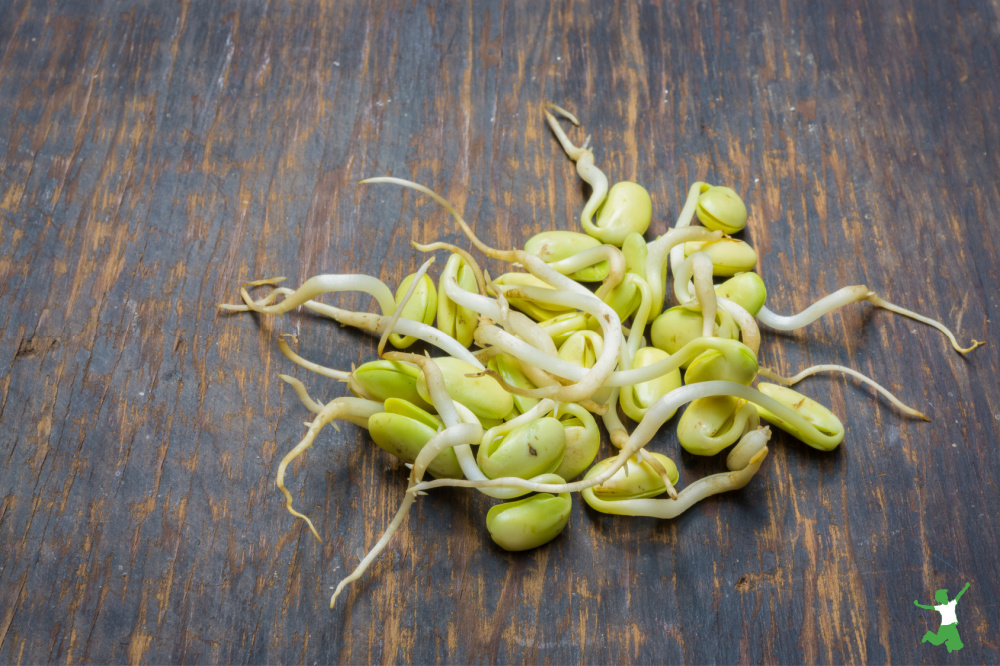
Soy sprouts, by the way, are not healthy. Short-term germination increases the strength of soy‘s antinutrient fractions. In contrast, long-term sprouting plus fermentation will decrease and nearly eliminate them. Soy sprouts are mentioned in historical accounts as useful, sometime pharmaceuticals, not as a daily food.

The Weston A. Price Foundation concurs, warning that high levels of phytic acid even in sprouted soy reduce assimilation of calcium, magnesium, copper, iron and zinc.

Phytic acid in soy is not neutralized by ordinary preparation methods such as soaking, sprouting and long, slow cooking. High phytate diets have caused growth problems in children.

Phytic acid also blocks mineral absorption, causes digestive distress, and can contribute to tooth decay, according to Rami Nagel author of Cure Tooth Decay.

Be sure not to be taken in by the argument that because soy is organic, nonGMO or sprouted that it is just fine to eat it.  Fermented soy in small, condimental amounts as practiced in traditional Asian cultures is the only safe way to consume this legume and even then, only for those who have healthy thyroid function because it is so extremely goitrogenic.  Miso, tempeh, natto and soy sauce (IF traditionally brewed) fall under this category.

Everything else soy?  Just pass!

Sarah, The Healthy Home Economist

Picture Credit 


The Healthy Home Economist by E-mail


{ 55 comments… read them below or add one }

Anna February 17, 2013 at 5:54 pm

What about lecithin granules? My midwife recommended them to me.

Reply

Magda February 18, 2013 at 3:32 pm

You can get lecithin made from sunflowers (very popular in Europe but not here: in US soy rules!). I would Google it. I wonder why the lecithin recommendation? What is it supposed to do?

Reply

Lynn February 21, 2013 at 7:23 am

Lecithin granules as a supplement can help resolve and prevent clogged milk ducts in nursing moms, while she cleans up the bad fats in her diet that might be contributing to the problem.

Reply

Tracy February 18, 2013 at 11:06 pm

You can also get lecithin granules that are made from eggs instead of soy.

Reply

Jessica February 17, 2013 at 6:06 pm

This is the first I’ve heard of sprouted soy. Gross. But glad to see non GMO or organic soy mentioned as well. Seems nobody was sure whether it was okay or not. I figured it wasn’t. I try to avoid ANY soy of ANY kind. (I do not like soy sauce even though it’s okay to have it as a condiment.)

Reply

Sally February 18, 2013 at 2:54 pm

Soy sauce tastes very different depending on the country of origin. We only use fermented Soy sauce made in Japan for the taste we like. We still use it sparingly. The culture with more people over 100 years old are from Okinawa Japan. They eat Natto, a fermented soy bean, almost daily in 1 tablespoon amounts. It’s an acquired taste and an extremely healthy food. Eat what you like but to throw out all soy is like throwing out the baby with the bath water.

Reply

Pam February 18, 2013 at 3:13 pm

Thanks for the info about nato :)

Reply

Chaney February 17, 2013 at 11:15 pm

Where does edamame fall in all of this?

Reply

jmr February 18, 2013 at 1:56 pm

It falls in the unfermented soy category…it isn’t good for you.

Reply

Anna@Green Talk February 18, 2013 at 9:36 pm

The article states “Edamame–the green immature soybeans–contains fewer of the toxins found in the mature beans and so can be eaten occasionally. People who are not allergic or sensitized to soy can consume these whole soy products safely at the levels eaten traditionally in Asia, which is to say in small amounts as condiments, not staples.” (from Dr M’s site in which Sarah linked to.)

Reply

Helen T February 18, 2013 at 7:34 am

How close are mung beans to soy?

Reply

Rebecca C February 26, 2013 at 8:31 pm

here is information on the phytoestrogens, which says that mung beans have 94 mcg per 1/2 cup, and soy beans have 100,000 per half cup. in that regard I’d say they’re pretty different. http://www.drgourmet.com/askdrgourmet/phytoestrogens.shtml#.US1R-qKG0i4

also http://arealfoodlover.wordpress.com/2012/04/16/whole-grains-may-not-be-as-healthy-as-you-think/
this has an except from ramiel nagel’s book. to sum it up, it says about half of phytic acid is gone from mung beans when sprouting them.

all in all I’d say mung beans are not that closely related to soy in phytic acid and the estrogen effects if sprouted, at least.

if anyone else has info I’d love to hear it. I have some mung beans sprouting in a jar on the window as we speak.

Reply

Aari February 18, 2013 at 11:53 am

What about moderate tofu take in addition to traditional fermented condiments?

Reply

Sally February 18, 2013 at 3:07 pm

Tofu is what Asian women use to keep their men at bay. One american meal of tofu is enough to dampen his amorous desires, so I would say no to any tofu… unless that is the plan to begin with. When my Japanese mother eats tofu, she makes it herself, and she eats about a 1″ cube with her miso soup. she will have her soup almost every day with tofu in it once ever few days. She likes to change it up. That is moderate. What do you call moderate? My dad never eats tofu!!

Reply

Jamie Wright Bagley February 18, 2013 at 12:05 pm

NOooooooo! Not my Ezekial 4:9 bread! It was my one last convenience food. Why does the truth always hurt so dang bad? :(
Jamie Wright Bagley\’s last post: When the Inspiration Fizzles

Reply

Erin February 18, 2013 at 1:10 pm

Jamie, I am right there with you. :( We love our Ezekiel Bread. Wonder what we should replace it with.

Reply

Renee February 18, 2013 at 2:43 pm

Jamie,

Fear not! I used to feed my girls Ezekiel 4:9 bread until I discovered the soy, but I simply switched to the 7 Sprouted Grains bread, also by Food for Life. Here are the ingredients copied exactly from the bag: “ORG SPROUTED WHEAT, FILTERED WATER, ORG MALTED BARLEY, ORG SPROUTED RYE, ORG SPROUTED BARLEY, ORG SPROUTED OATS, ORG SPROUTED MILLET, ORG SPROUTED CORN, ORG SPROUTED BROWN RICE, FRESH YEAST, ORG WHEAT GLUTEN, SEA SALT.” You can still have your convenience food. Cheers!

Reply

Jamie Wright Bagley February 19, 2013 at 12:10 pm

Yay! Thank you for the recommendation, Renee. I will check it out.

Reply

Leila February 19, 2013 at 12:03 pm

Oh my gosh, I forgot about it being sprouted in Ezekiel bread! Glad I stopped paying so much for dry bland Ezekiel bread and went with cheaper (but genuine) fresh-baked sourdough!

Reply

Elaine February 18, 2013 at 1:00 pm

I’m curious as to WHY sprouting or soaking “doesn’t” reduce the phytic acid in soy? I don’t like soy at all but just curious why it doesn’t work?

Reply

Donalie Sawtelle Proaper via Facebook February 18, 2013 at 1:01 pm

there is no healthy soy in my book

Reply

Katie Funk via Facebook February 18, 2013 at 1:06 pm

Soy is a plant Estrogen. It’s very simple. We already have plastics in the water (and water bottles) that mimic estrogen in the body. Any extra estrogen and you are just asking for hormonal trouble.

Reply

Erin Raiford via Facebook February 18, 2013 at 1:11 pm

UHG. The Ezekiel 4:9 bread has sprouted soy….guess it’s back to the drawing board for an affordable bread option. :(

Reply

Renee February 18, 2013 at 2:45 pm

Erin,
See my above comment to Jamie. If you switch to the 7 Sprouted Grains bread, also by Food for Life, you can still have your bread and avoid the soy!

Reply

Lisa Clibon via Facebook February 18, 2013 at 1:15 pm

Yep, soy is soy. The last thing this hypo-thryroid nation needs!!

Reply

Robin Molison via Facebook February 18, 2013 at 1:16 pm

The only good soy is as the Asians do it. Fermented in the ground, make it humanly bio-digestible, called Miso.

Reply

Denver Tina via Facebook February 18, 2013 at 1:16 pm

I have a bottle of organic fermented soy sauce that we use very rarely. That’s the only soy we do.

Reply

Donalie Sawtelle Proaper via Facebook February 18, 2013 at 1:22 pm

Katie is so right. I am post menopause and I had estrogen overload until I starting studying nutrition 12 years ago. I am fine now. It is the young girls whose parents pump them full of soy products that will suffer I am afraid. Boys too. I don’t think they need estrogen do you?

Reply

Julie Gerasimenko via Facebook February 18, 2013 at 1:25 pm

Other than a very occasional snack of Organic edemame, I stay far away from soy

Reply

Pam February 18, 2013 at 1:54 pm

I just want to clarify this in my mind. So you are saying that eating home grown edamame as a snack or side dish is unhealthy? If I read you right, and edamame are unhealthy, why are they so different than other legumes? Thanks.

Reply

Jill P February 18, 2013 at 1:59 pm

I totally agree with how bad soy is. I tried a dry soup mix that was supposed to be healthy, it had soy in it and from what happened to me probably quite a bit. I only ate 2 bowls of soup, 3 days after eating the soup I started my period! I hadn’t had a period in 6 years because I had gone through menopause! I haven’t eaten soy since and it has never happened again.

Reply

Nancy February 18, 2013 at 2:04 pm

What about mung bean sprouts? Is it just soy or all legumes?

Reply

Pam February 18, 2013 at 3:12 pm

It is not all legumes. Peas & beans should be Ok. I am unclear about edamame, though.

Reply

Maria February 18, 2013 at 3:13 pm

Just soy.

Reply

Lavonne Hansen Hickl via Facebook February 18, 2013 at 2:30 pm

What about if it’s fermented?

Reply

MF Goetz via Facebook February 18, 2013 at 2:33 pm

What about Almond Milk instead of soy milk, is almond milk safe?

Reply

Sally February 18, 2013 at 3:08 pm

Read the ingredients on the package and make it yourself.

Reply

Bonny Busch Reckner via Facebook February 18, 2013 at 2:53 pm

For those that like Ezekiel bread, the same company (Food for Life) makes one without soy. It looks just like the Ezekiel breads, but it’s in a red wrapper and is just called “7 sprouted grain” or something like that. No sprouted soy.

Reply

Alaine Booth via Facebook February 18, 2013 at 2:56 pm

Erin – I was dismayed when I discovered that Ezekiel bread has sprouted soy in it too. I sent them a message about it and discovered that their 7 Sprouted Grains line does not have any soy. So that’s another option.

Reply

Linda February 18, 2013 at 4:28 pm

It’s a shame they put soy in everything. If it’s healthy for the Japanese we have to load up on it! At my grocery store when I look for organic frozen veggies the majority is edamame. I guess that is all anybody wants. I was fooled too, once upon a time and ate it. As for the bread I just make my own sourdough bread. Thanks for clearing up the question of soy, Sarah.

Reply

Katie Funk via Facebook February 18, 2013 at 5:51 pm

The main issues with almond milk are the synthetic vitamins. Better off making your own ! And it’s easy!!

Reply

Hrh Ronnie Cruz Bernardo via Facebook February 18, 2013 at 8:06 pm

Soy is a healthy food as long as it is a non-GMO variety, there is so much confusion, sprouting is the best to maximize the nutrients. In Thailand soy is not good bec almost ALL their their foods are GMOs, but just like anything it should be taken in moderation, the phytoestrogen in soy is not the same as the estrogen female hormones, it can only mimic the benefits of estrogen when necessary.

Reply

Jamil Avdiyev February 18, 2013 at 9:38 pm

Sarah gets this. Why and how Price-Pottenger Nutrition Foundation does not is beyond me. They have endorsed Food for Life sprouted soy products. Come on!

I would take this a step further. Ramiel Nagel’s work shows sprouting is not enough to deal with grains and legumes. I ferment mine for days. So if I were to eat soy, which I don’t, I would sprout and ferment or ferment for a very long time.
Jamil Avdiyev\’s last post: Start Increasing Your Reserve Energy Right Now: How Eating Nutrient Depleted Foods Contributes to Food Sensitivities

Reply

Rachel February 19, 2013 at 3:45 am

Sarah, just to let you know that the sprouts in the picture you have on this post look like mung bean sprouts to me. Soybean sprout is bigger and has a long spindly tail.

I am Asian of Chinese origin and we eat bean sprouts quite regularly, a little here and there and also as a main stirfry vegetable dish. Now the Koreans eat soybean sprouts so much more, almost every hotpot they make have those sprouts in them (and tofu too!) and they do not seem to suffer much of these goitrogenic ailments etc that we are talking about. I have gone through many diets and ways of eating and I finally come to the conclusion that for me, moderation in all things is best. I think we still don’t know everything there is to know about soy.

Reply

Pam February 19, 2013 at 3:09 pm

Thank you for the reality check. As you say, Sarah, a little information can sometimes be dangerous. With today’s scientific knowledge, I don’t think we can say any food is off limits & terrible for your health, except maybe margarine and similar processed vegetable oils. Dr Price would surely agree that he did not study every traditional diet, and also that the cultures he did study subsisted on a wide variety of foods. My motto is also moderation, & I am always open to new information, with the realization that our knowledge of food & nutrition is still developing.

Reply

Roxanne February 19, 2013 at 10:59 am

Korean tofu is a whole different animal than almost any other tofu. The soy beans for Korean tofu are soaked and fermented for a period of 3-5 days before being lightly cooked and pressed into milk. I have had real Korean tofu and have made it myself a few times. I think it’s delicious, but it is much stronger tasting than other tofus and also has a softer texture, even the “firm” variety is softer than conventional firm tofu. Unfortunately, it’s very difficult to find in the states, and because it’s time and labor intensive, even most Korean restaurants won’t make it. You have to find an old, Korean Grandmother to get the real stuff. :)

Reply

Pam February 19, 2013 at 7:43 pm

Rachel mentioned the Korean use of soybean sprouts, not tofu.

Reply

Kerstin February 19, 2013 at 4:23 pm

What about Bragg’s Liquid Aminos?

Reply

Jamil Avdiyev February 20, 2013 at 5:44 pm

No, it is not fermented. Ohsawa Nama Shoyu is produced in the traditional way.
Jamil Avdiyev\’s last post: Mainstream Organically Grown Avocados, Move Over! High Brix Nutrient Dense Avocados in the Pipeline

Reply

Miriam Kearney February 20, 2013 at 10:22 am

This isn’t really about soy but I wanted to put the comment on a recent post so hopefully I would get a response.
I live in Ontario, Canada where raw milk is illegal to be sold or distributed. I know there are some people who have been able to get it by knowing a farmer and on the qt they get milk from him. I don’t know any farmers. While this law is being challenged in the courts, at the moment I cannot get raw milk. If I buy organic milk can I make whey from that? It might not have all the benefits of raw milk whey but would it have enough to make it worthwhile?

Thanks. for your information.

Reply

Rebecca C February 26, 2013 at 8:34 pm

you can get kefir grains and culture your store bought milk to restore the enzymes. I’m sure you can search “milk kefir” or just “kefir” on this blog to find how to make it. you have to buy kefir grains. I haven’t bothered with it because I can get raw milk, but from what I understand it’s simple. Something like adding the grains to milk, letting it sit for a while, and then straining them out.

Reply

Patricia March 4, 2013 at 1:08 pm

You could strain yogurt for whey. Buy good quality plain yogurt

Reply

Bethany February 22, 2013 at 10:23 pm

I have a question – how does the (sprouted soy) Ezekiel pasta stack up against plain pasta with no sprouted anything? I’ve switched from plain to Ezekiel, and will be switching to Essential Eating, but I have about 3 boxes of the Ezekiel left and I would rather not throw them away unless I need to. (I also have homemade chicken noodle soup in the fridge made with Ezekiel noodles.)
What are your thoughts?

Reply

Rebecca C February 26, 2013 at 8:32 pm

I want to know about soy proteins in shampoo. Any problems there?

Reply

Amber April 5, 2013 at 12:24 pm

When I eat meat, eggs or dairy I have crippling menstrual pain. It gets so bad that I can barely move for 5 days.

When I cut out meat and up my soy intake, this horrible pain goes away. I’ve tried everything else! When I was on the paleo diet for a few months, this pain was tenfold.

Surely soy can’t be bad for every single person? I don’t consume GMO soy. It’s always organic.

I feel like a normal person now!

Reply

Leave a Comment

CommentLuv badge

Previous post:

Next post: