

How to make dairy-free chocolate ice cream using wholesome ingredients and no sugar (fruit-sweetened) that is far healthier than even the organic or premium brands at the store.
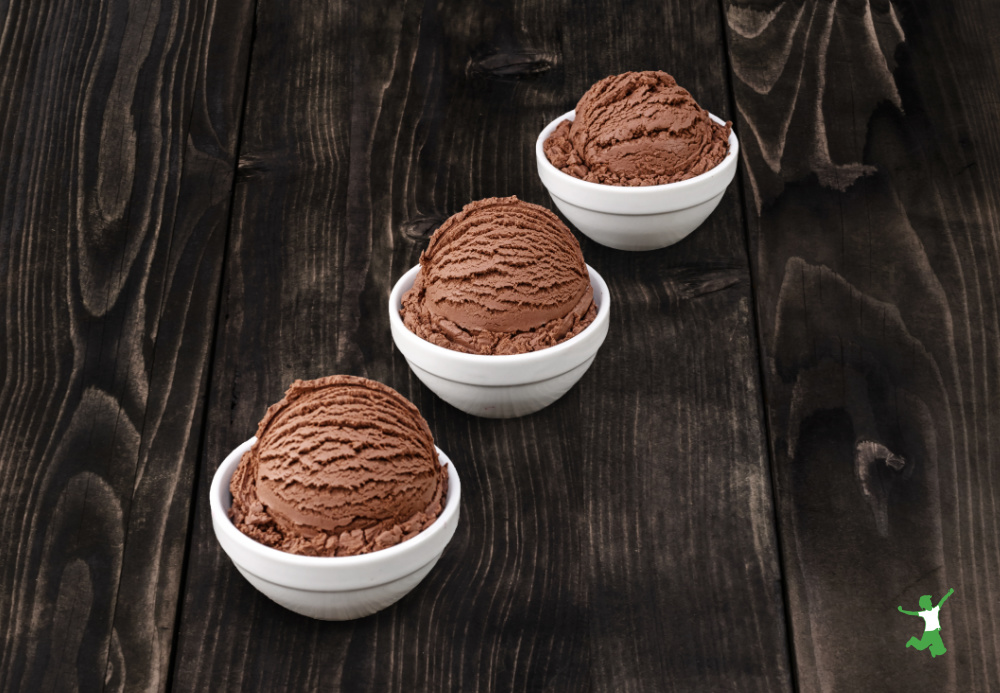
My husband’s favorite treat in the world is chocolate ice cream, so to celebrate Father’s Day this year, I devised a new version for him to enjoy made with whole coconut milk.
He loves his homemade chocolate ice cream made with raw heavy cream, but since cream is in short supply right now from our local farmer, this alternative was a delicious stand-in for his special day!
It is important to remember that any chocolate treat is best enjoyed in moderation (I reserve it for special occasions), as cocoa is a high phytate food even when roasted (a far better choice than raw cacao, which is even higher in anti-nutrients).
Raw cacao is NOT a superfood as some influencers claim, especially as far as your gut health is concerned!
I would also suggest paying the extra cost for guar-free coconut milk (this brand and this brand are both excellent), as it is much easier on the digestive tract and of a higher quality than brands that include it on the ingredients list.
If you have the time, making your own coconut milk is even better!
The key differences between this coconut milk chocolate ice cream and my dairy-based chocolate ice cream is that the dairy version is lighter in texture and color after churning. It also has a milk chocolate flavor. By comparison, chocolate ice cream made with coconut milk is darker in color, denser in texture, and tastes like dark chocolate.
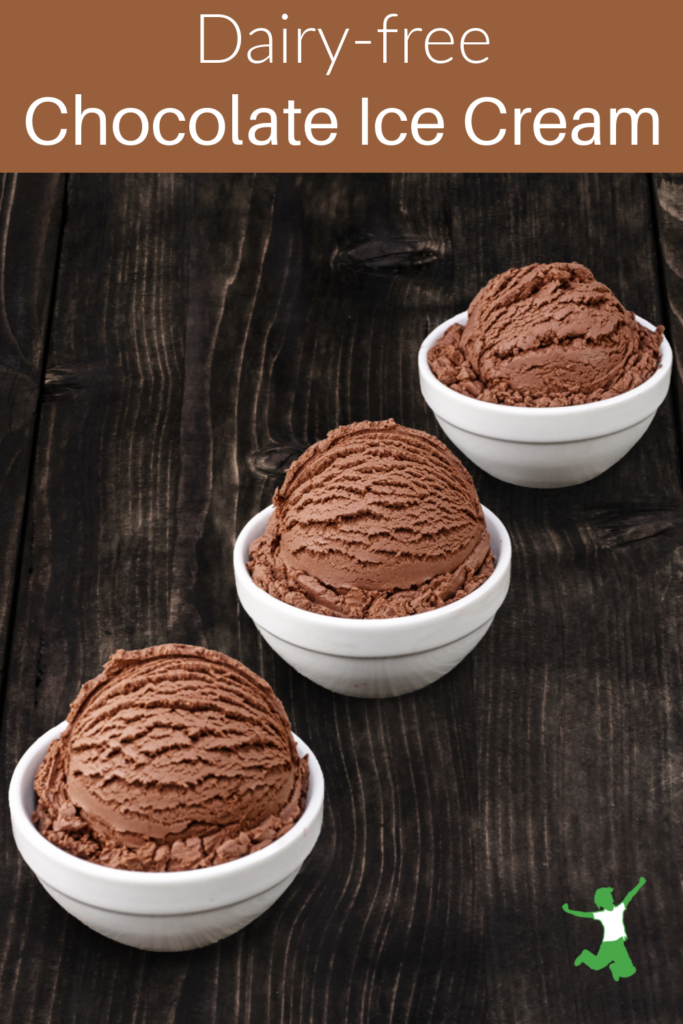
Dairy-Free Chocolate Ice Cream
How to make dairy-free chocolate ice cream using wholesome ingredients and no sugar (fruit-sweetened) that is far healthier than even the organic or premium brands at the store.
Ingredients
- 4 egg yolks preferably pastured
- 2 cans whole coconut milk preferably guar-free
- 1/3 cup cocoa powder *not cacao
- 1/2 cup date syrup or maple syrup
- 1 tsp vanilla extract
Instructions
-
Wash eggs in warm soapy water and pat dry with a clean towel.
-
Crack and separate eggs into whites and yolks.
-
Beat egg yolks briefly in a large, glass bowl. Tip: Refrigerate the separated egg whites in a small glass container with a lid to make healthy protein cookies later.
-
Mix in the coconut milk, date syrup, and vanilla with the yolks and then beat in the cocoa powder until just smooth.
-
Pour the blended ingredients into your ice cream maker. Follow your model's directions for how long the ice cream is churned.
-
When the ice cream is frozen and ready (about 30 minutes for my ice cream machine), pour into a shallow, glass baking dish (for easier scooping).
-
Serve immediately if soft serve style ice cream is preferred. For harder ice cream, cover the dish with a lid and keep in the freezer for at least 4 hours to fully set.
-
While the vanilla extract helps maintain good scoopability right out of the freezer, leaving the ice cream container on the counter for a few minutes before serving makes the process even easier.
Recipe Notes
If using carob instead of cocoa, substitute the vanilla extract with chocolate extract.



The Weston Price Foundation recommends against cocoa and cacao. Do you know why this is?
The WAPF position on cocoa/cacao/chocolate (coffee as well) has long confounded me. Cocoa from the cacao tree is a traditional food after all! It has been cultivated and consumed by indigenous peoples for thousands of years—long before European contact. Evidence of cacao use dates back over 3,000–5,000 years. The Olmecs (around 1800–1500 BCE) were likely among the first to domesticate it and make cacao-based beverages.
Note: these beverages were not consumed regularly, but typically for celebrations and/or religious ceremonies. This is why I suggest consuming chocolate ice cream and the like only for special occasions and never regularly.
I think the problem from the WAPF point of view is that it contains caffeine which can be addictive. However, why not consume it in moderation just like anything else? Sugar … even natural sugars like maple syrup and sucanat are also very addicting, and yet the WAPF suggests these foods for consumption in moderation rather than completely banning them like cocoa. For those on the GAPS diet, cocoa (and coffee) is one of the very few treats a person can enjoy occasionally.
It is my view that there is a happy medium that can easily be found with traditional foods like cocoa.
There is no substitute for proper governance of one’s taste buds in a moderate fashion no matter what the food whether it be chocolate, whole sugars, kombucha, sourdough bread, soaked waffles or anything else that could be addicting.
People have to make their own decisions, and if you cannot consume a cocoa treat occasionally without becoming immediately addicted, then never eating it is the right approach. But this is not the right approach for everyone (or even most people in my experience). Many people can enjoy this traditional food without becoming addicted, so banning it like contraband is too rigid of an approach in my opinion.
Just my 2 cents … but I raised all three of my children with occasional chocolate for treats (several chocolate recipes on this site dating back to 2009) and none of them are addicted as adults, so I think there is at least some merit to that approach that doesn’t ban it from the house, but warns of the dangers of overconsumption as well (just like sugar!)
Thank you for distinguishing between cocoa and raw cacao. I didn’t know the raw cacao was bad for the gut. So many health influencers recommend eating it every day in smoothies.
Thank you for this dairy-free alternative! I love my raw cream, but I generally don’t have enough extra to make ice cream!