

Table of Contents[Hide][Show]
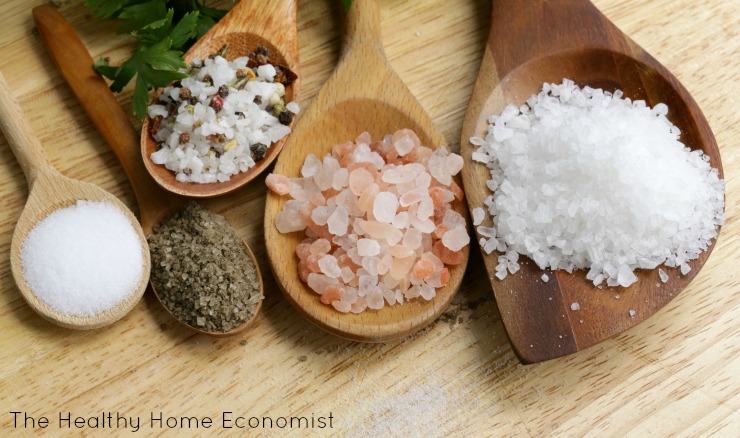 Getting back to basics is the theme for this video, which focuses on choosing a healthy salt to use in your home. Salt has a bad rap these days getting the blame for conditions such as high blood pressure, hypertension, water retention, and bloating, among others. This article explains why you should not fear salt.
“Salt” and “sodium” seem to be used interchangeably, but in reality, they are not exactly the same.
“Sodium” is white salt with only 2 minerals in it (NACL – sodium chloride) that is used everywhere and in large quantities in processed foods. It is the result of excessive processing of natural sea salt, which normally contains an abundance of health giving minerals.
THIS is the salt that should be avoided.
Natural Sea Salt is What to Use!
On the other hand, there is natural sea salt.
One of the most popular, Celtic sea salt contains over 80 minerals, including iodine, and is part of a healthy diet. It imparts superior flavor to food and helps normalize all functions in the body that require salt to take place such as protein and carbohydrate digestion, brain development in children, and optimal functioning of the adrenal glands. It is a necessary part of a healthy diet and should not be avoided. It is my opinion (if someone has seen a study on this, please post in the comments section), that people crave salt and eat too much sodium/white salt because they are mineral deficient and in need of natural sea salt with all its beneficial minerals. Use of real sea salt may relieve these salt cravings as the body is finally getting all the trace minerals it needs.
Be wary of highly processed salts on the market advertised as sea salt. If a salt is white, that is your clue that it is highly processed no matter what it is called. Select a sea salt that has color to it, some are even pink! A truly healthy salt will have color indicating the presence of other minerals besides just sodium chloride. Making this change in your home is a critical first step to health. And, if you have already made other changes to your diet for the better but are still using white salt, today is your day to make this change.
Video on How to Choose Healthy Salt
Sarah, The Healthy Home Economist



Interesting about the Baja Gold salt. Now that celtic sea salt has become almost impossible to find—and very expensive to boot—it’s great to know that there’s another salt out there at least as good. 👍
I saw a comment that you are no longer recommending the above salts? What do you think of Redmond salt? What salt are you recommending now?
Hi Sarah, don’t know if you will see this, but you don’t recommend these type salts anymore, right? Especially the Himalayan sea salt?
Himalayan sea salt is better than refined white salt. However, I like the Baja Gold the best and have been using that the past few years.
Thanks for your reply, Sarah.
According to the description on their Web site: “Celtic Kosher™ Fine Ground sea salt is a pure unrefined, delicious, moist Kosher sea salt.”
I think you’re right—regardless of what they say, it’s probably somewhat refined. I couldn’t find any info on the Web about this particular salt, so I appreciate your feedback.
Unfortunately, I’ve already opened it—I bought 5 pounds! 😛 Oh, well—I’ll just eat the cost and order another kind instead. It’s irritating, but definitely not a tragedy. 😉
Anyway, hopefully my experience can prevent others from making the same mistake. 🙂
It’s almost certainly partially refined as no sea salt is pure white. Under the USDA guidelines, if it’s not totally refined, this may allow them to still label it as “unrefined”. So many semantics games in labeling … best to trust your eyes 🙂