
By Cara Comini of Health, Home, and Happiness
I knew my daughter Hannah had autism when she was only 12 months old although she wasn’t professionally diagnosed until age 4.
Now at 6 years old, after being on the GAPS Diet for 2 1/2 years, Hannah no longer carries an autism diagnosis and the progress she has made has been nothing short of life changing.
What’s more, Hannah has successfully transitioned off of GAPS in recent months and is now eating a normal traditional diet which includes grains and starches – with no regression or recurrence of symptoms!
For those of you new to GAPS, it stands for Gut and Psychology Syndrome. GAPS is a temporary diet that was designed by Dr. Natasha Campbell-McBride MD to reverse autism in her own son. GAPS works to heal the gut lining, rebalance intestinal flora, and help with nutrient absorption.
In a nutshell, the GAPS Diet cuts out grains, sugar, and starch, and adds in foods rich in probiotics, healthy fats, and amino acids needed to heal and seal the gut wall. Once the gut lining is healed, many chronic health problems magically go away- things from autoimmune diseases to behavior problems to eczema.
Yes, even autism!
Hannah’s Story
I had been keeping an eye on Hannah’s development from 4 months old when she wasn’t making eye contact, rolling over, or interested in anything other than nursing, I knew something was up, but it was right near her 1st birthday that I looked up the diagnostic criteria for autism, and realized that yes, she most likely did qualify as autistic, though most professionals won’t diagnose it until 3 years. It wasn’t until she was 4 that she received a formal diagnosis from a professional, but I knew I needed to start intervention as soon as possible in order to give her the greatest chance for a full recovery.
I started by keeping her on a Weston A. Price Traditional Diet of all organic, nutrient dense foods as she was weaning, but when I didn’t see improvement with that we tried the gluten free casein free diet, which helped her ability to learn temporarily. After awhile, however, she lapsed back into ‘autism land’.
As a desperate young mom with an autistic toddler, and now her infant baby brother, I continued to search for ways to help my child. Googling ‘what to do when the gluten free casein free diet stops working autism’ brought up the GAPS Diet – this was 2009 when GAPS was just beginning to be known across the internet.
It took me a few months to work up the motivation to place my small child on such a restrictive diet, but the waking up every 2 hours all night every night, her not making progress in speech or occupational therapy because she was unable to learn, and wanting so desperately to improve her quality of life pushed me to give GAPS a try. Just after Hannah’s 3rd birthday I said we would only try GAPS for 30 days. And I tried it with her, to make sure I felt okay on such a different diet than typical Americans eat.
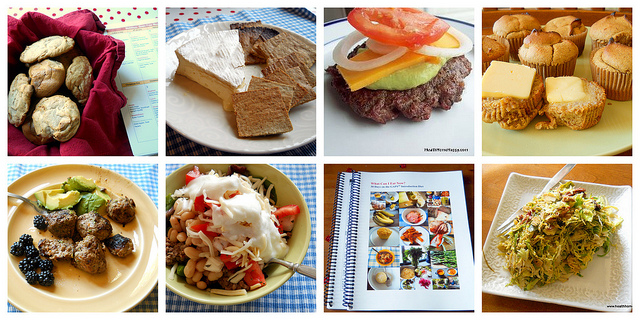
All this food is allowed on the GAPS diet, see the meal plans for recipes
Starting GAPS
We started GAPS with the intro diet in November 2009. I saw such great progress with her (and myself- GAPS cleared up a dairy allergy that I’d had since childhood, in just 6 weeks of the intro diet!) that I committed to keep going.
She was able to learn again, and seemed to be starved for GAPS food; she was actually eating more than I was as a lactating mother!
Continuing GAPS as it was needed
We continued GAPS for 2-1/2 years, working to heal the gut lining. Hannah’s digestion improved, and she started eating less after having been on the diet for a few weeks- her body was so starved for nutrients at first that she would eat everything in sight, but slowed back down to a typical toddler amount after a few weeks on GAPS.
The most exciting part of Hannah’s improvement on GAPS was that she was once again able to learn. She started making progress in speech, occupational, and physical therapies. She took an interest in other children, was sleeping well at night, and was happier during the day. GAPS gave her quality of life so much improvement, that there was no question that we had to continue the diet as long as it helped her.
As we continued, I got better at cooking GAPS food. In the beginning we ate vegetable soup, cooked chicken, hamburgers, and scrambled eggs nearly every day. GAPS forced me to be more creative with the allowed GAPS food, and I was able to expand to very enjoyable meals!
Hannah knew her diet was different, but she was content with her food. Other parents would look on at me jealously as she gobbled up eggs, meat, fruit, and veggies. The diet took effort to continue with, but once we had been on it about 6 months it just became routine.
Transitioning off the GAPS diet after 2 years
GAPS is intended to be a temporary diet, so after Hannah had been on it and doing well for 2 years, I started trying some foods that weren’t GAPS legal about once a month. We started with potatoes, popcorn, and whole raw milk and she did well. We continued introducing new non-GAPS foods and watched carefully for any reactions (wheat was the last thing we introduced). If her gut wasn’t healed enough to tolerate a food I saw reactions in the form of skin rashes, night terrors, or loss of eye contact- every person’s reactions would be different though.
In June we traveled to California for my little brother’s wedding. She had been transitioning off GAPS for 6 months by then, so I decided to just let go and see if she could eat what everyone else was eating. She did great! No reactions to the food at all. We were officially and successfully done with our GAPS and food allergy journey!
No longer Autistic!
Though Hannah still has some learning disabilities (I believe this is from the long time that her brain was bombarded with toxins pre-GAPS, and we’re trying other therapies to continue to help with this), she just was tested this fall and no longer meets the criteria needed for an autism diagnosis.
She has benefited so much from the GAPS diet, and has come so far from the 12 month old who would just fuss or stare off into space all day. She is toilet trained, loves interacting with peers, talks, learns new things, makes great eye contact, and is getting much better at accepting changes to her routine.
We still eat mostly GAPS at home, since it is such a nutrient dense diet that our whole family thrives on. But being off GAPS means that I don’t have to stress when we’re out and we can just eat what everyone else is eating.
The GAPS diet has been amazing for our family, I am so thankful that Dr. Natahsa Campbell-McBride wrote the GAPS book in time to help Hannah. I’m also thankful it’s not a diet we have to be on for life, but it was so worth it to stick with it for the couple years we needed to be on it.
About Cara

I’m Cara, and I write at Health, Home, and Happiness. Because I was so overwhelmed when starting the GAPS Diet, I put together some resources to help others who want to do GAPS. I have GAPS friendly meal plans (full GAPS), a book that helps you get through the more strict Introduction Diet, and even a guide to help you stock your freezer with GAPS friendly foods. You can see more GAPS articles and recipes on my blog here too.
|
|

{ 96 comments… read them below or add one }
My son was diagnosed at 4 as well, he’s now 12 and when I tell people he has Autism, they are shocked! I didn’t know this diet had a name but we realized early in his life that sugar, dies, pesticides and grain were the culprits! They made him act as though he was a belligerent drunk! When we took these things out of his diet we saw him be more social, make more conversation and he stopped melting down. This diet really does work! He’s grown into an amazing and focused young man.
We’ve been doing it for my daughter who has a type of autism called Asperger syndrome. Turns out she’s gluten intolerant (little surprise now that we know I’m Celiac) so the diet improved some of her cognitive symptoms but she is still most definitely autistic. Autism is a neurological disorder that is largely genetic, so my guess would be that this girl simply had severe food allergies/intolerances and was never autistic, or more likely she is still autistic and is high functioning enough to fly under the radar. Autism doesn’t just “go away”. Girls especially slip under the radar because they internalize many of their difficulties and present with symptoms outside the classical ones. My own daughter wasn’t diagnosed until age SEVEN because of atypical symptoms, high intelligence, and good mimic skills. The mother says she still has learning disabilites, still hasn’t fully mastered handling routine changes. I’m not trying to be negative here, and it’s so wonderful the girl has improved so much, but I suspect strongly that she is still autistic and that this may cause difficulties later on for her, when social interaction with peers becomes more nuanced and quirks will be much more visible. It isn’t necessarily a bad thing to be high-functioning autistic, but I feel like Mom might be in a bit of denial, and the doctor evaluating is missing things because girl children present symptoms differently. GAPS did not cure my daughter of autism. It did make her much healthier however, which improves anyone’s functioning.
Hi! Not in denial at all
She may be high functioning autistic, we recently had an evaluation done and she doesn’t meet the DSM-IV criteria for autism diagnosis, so we’re leaving it at that. She did meet the criteria at 4.
I still tell people ‘she has autism’ occasionally just because she has spectrum-ish quirks and that’s the easiest way to explain it without going into her whole history.
I’m most excited that the changes we made while on GAPS ‘stuck’ when we transitioned off. Pre-GAPS really all she did was pour things in buckets, open and close doors, and nurse. She *learns* new things now, it’s slower, but she’s learning and can eat a less restrictive diet <3
Cara\’s last post: GAPS As a Temporary Diet and Other GAPS Questions
I agree… I think once someone is born with a disability you can’t “cure” it, make it tolerable yes, even to the point of almost not there, but being born with it I think it will always be there. I too think the mom is in off on saying it reversed autism. With the “problems” she says the daughter still has. I’m not saying the diet isn’t good and benificial, any “healing” nutritional way of eating is good, the problem comes from one being born with a disability of the brain. Children who may have gotten autism from vaccines is different, yes I believe (with all the studying and research) you can reverse that. I do believe that is what happened to dr Natasha’s son.
What you are clearly not grasping is that this mother and daughter are under the care of specialists who tested her for autism. She no longer meets the criteria to be considered autistic. She didn’t just pull this out of thin air.
Don’t be jealous of this woman’s commitment and success. If you or someone you love is struggling, you and they can heal.
I was lucky enough to attend Dr. Campbell-McBride’s full day seminar — and I read her book. I remember her saying that the time needed to fully heal varies and a BIG determinant of that is how long the gut has been ailing. It seems fully possible – probable even – that if Cara started dietary intervention in the toddler years, autism could be reversed. Is a “full recovery” possible later in life? Possibly. Will it take more than two years of strict GAPS diet? Likely. But don’t give up.
I do not believe diseases just happen randomly and that we are always stuck with them. Cara can probably identify some of the things that contributed to her daughter’s poor gut and thus autism (a Gut and Psychology Syndrome). Her child is now “delayed” because the brain goes through a critical learning-to-learn phase from 2-6. Her child has missed some of that due to the autism cloud. With it lifted, she will progress in her own way. She will likely have challenges and have to find different ways of learning. But that isn’t autism.
Kudos to Cara for believing whole-heartedly in our bodies’ amazing capability to heal. I have seen this miracle time and time again. What a gift these glorious machines are we live in.
Exactly! I’ve heard of some kids going from autistic to totally typical on GAPS, and that’s awesome, but it didn’t happen for us. In our last testing she scored the same percentile as she did a year ago, which means that she is now learning (testing compares her to typically developing peers of her same age, so it gets progressively harder with age) and not falling further behind. Before GAPS she was falling further behind each time she was tested. (if this makes sense, it was kind of difficult for me to understand at first too)
I’m still pursuing more alternative therapies to see if we can help her to catch up faster, but if she can’t, that’s ok too.
Elizabeth\’s last post: GAPS As a Temporary Diet and Other GAPS Questions
I’m just starting GAPS and I am looking forward to reversing the effects a one time blast of mercury vapours had on my system; of which nearly did me in!
Rachel. I ditto your response. But i have a son. Very well written.
Autism is an autoimmune disorder – different factors affect different people including digestion, toxins,poor metabolic rate and even emotional issues.Hannah’s was obviously brought on by a defective digestive system and an overload of resulting toxins affecting her brain function.There is no reason to doubt that fixing her digestion and detoxing her would cure her of the autism. I think her mother would know. Other people’s autism may have different factors involved and they may need different protocols. GAPS is not the only answer, but it brings about great improvement for most and there is no reason to doubt it can cure autism (just look at Dr. Natasha Campbell MacBride’s son who is now a teenager). I firmly believe that our bodies were created perfectly and any disorder, even genetic, has some cure, even if we have not discovered it yet.
Sarah, this is great. I’m sending to a friend who has a son with autism. Thanks!
How amazing! My heart breaks for the parents of and kids with autism who just don’t know about GAPS! How many kids could be healed if the info was out there?!
Even worse are those who know there is a diet that could help their child but refuse to put forth the effort to do it!
For some of us it is not about the effort required, but rather the obstacles that seem insurmountable. My son is 9 and is not autistic but has unexplained developmental delays and spectrum issues. I have wondered if GAPS may help him. I’ve kept a folder in my email just for GAPS info. But I am scared. For starters, I have tried lots of other natural tactics such as digestive enzymes, supplements, etc. and none of them did anything for him. Also, we are a family of 6, all the other kids are teenagers. How can I possibly get them to buy into GAPS? There is no way I could feed my son differently than everyone else. He is extremely food focused and stubborn. Getting him to give up all his favorite foods would be a HUGE struggle. Everyday. We also live with my dad who already (innocently enough) sabotages our efforts to eat traditional foods by buying my son tater tots, McDonald’s, etc. I would love to try GAPS but I just don’t know how it is possible and I do not want to get my hopes up and then fail, which seems most likely. Maybe it could help him, maybe it wouldn’t I don’t know. It is not callousness that causes me to not try GAPS, in fact it breaks my heart.
Lisa, it is really hard, this is why I push parents of little ones so hard to try while they’re little. Could you do it for just 7 days over a break or something? Most people see results by the 4th day. If you see results, it’s easier to convince people to continue on.
Cara\’s last post: GAPS As a Temporary Diet and Other GAPS Questions
Rachel it never goes away, you are right but my son is as close to neurologically typical as he can be. Autism is also in our family and our diagnosis was ASD not Asperger’s. Saying that a diagnosis can’t be true just because you didn’t get the same results is a bit premature. All of us that are familiar with the spectrum know how vast it is and we also know how differently if affects every child. This diet does work, incredibly well.
I’m so glad that there are great moms like y’all who look beyond the standard medical box and find ways to improve your children’s health. You’re an inspiration and I tip my hat to you.
hurray for GAPS!
diet that is
Does anyone here know anyone who is chronicling all of these “anecdotal” transformations? I think any person who values holistic approaches who has an autistic loved one would LOVE to have access to all of the different things people have tried, and how the progress looked, what the particular challenges were, etc. I would LOVE to be introduced to anyone chronicling such reported experiences.
Wow what an encouraging story!!
Best nutritional healing book & diet ever!!!
Great story, thanks for sharing!
Some years back (had never heard of the GAPS diet at the time), we did the SCD diet (strictly for about 3 years), which is very similar to GAPS. It helped (cured, really) my son’s digestive issues and a few of his Autistic symptoms, but he is still very Autistic (he’s 14 now). We’ve tried MANY things that have worked for other kids that have either helped our son only very little, or not at all. But I’m certainly not trying to discourage parents from trying things that have worked for other kids, because you know what they say, “If you’ve met one Autistic kid, you’ve met ONE Autistic kid.” So just because something works for one kid doesn’t mean it will work for another, but you’ll never know if you don’t try.
I just recall all the times I was overly optimistic regarding one intervention or another, only to be so disappointed and discouraged when my son didn’t respond at all. So by all means be optimistic, but be cautiously optimistic. On a side note – had it not been for our son’s Autism, my husband and I might not be where we are today with regard to healthy eating. From food, to medicine, to politics and just ‘outside the box’ thinking in general, our way of thinking has changed drastically, for the better. But I’d gladly give up all that knowledge if someone could take away his Autism, of course.
Thanks for sharing Heather. This is very interesting and my really help my family.
My child has high anxiety . Do you think this diet would help her ?
I went to a local store and received Mental Calmness by Natural Factors. My son is anxious too, at just 6 years old. Try cut one in half if your child is young, and they can chew it, honestly it’s not bad at all. I have noticed immediate improvement, but it’s hard to say. Let me know if it helps!
Oh, and Holy Basil tea is what I use because I am stressy too. Apple doesn’t fall far from the tree here. Mom has less stress then kids have less stress.
All the best!
My daughter had high anxiety. We’ve done therapy and it’s helped. However, the greatest improvement we saw – within days – was to eliminate refined sugar completely. GAPS does that.
I had been diagnosed as being autistic at 3 years of age and, while greatly improved, I can no longer make it to the world on my own; but I’m doing quite well now that I’m working part-time two days a week.
Lindsey Atkinson Lillywhite Yes, any sort of neurological challenges are greatly helped by GAPS.
LOVE this story (and all of your stories)! I’ve known of the GAPS Diet for a number of years and have been digging into it more and more as I’ve read more and more stories (and heard about more and more stories). So glad it’s getting such positive feedback!
@Ti Bergenn: I know Dr. Campbell-McBride was compiling a book with people’s GAPS success stories. I don’t think it’s been published yet.
Loving the parents who work hard to find help for their children. Kudos to all on their efforts.
I suffered with undiagnoseable stomach problems for 4 years and tried everything. Went on Gaps for about 7 months or so then started adding traditional foods back in. All I needed was 7 months for my specific problem cause now I am totally well and can actually go out on a date with my hubby once on a while and have a “normal” restaurant meal and not get sick or have NO pain!!! We still eat traditionally but it’s nice to not have to worry if we are unable to for a meal. God is good!
Wendy Haynes
This is such an inspiring story, thanks for sharing. I’m looking into starting GAPS for my son who is post liver transplant. He’s been on a WAPF diet his entire life, but I’m very concerned about the antibiotics and other drugs he’s been on…anyhoo this was so nice to read and really gives me hope for his future. =)
I rejoice with you in your amazing success with GAPS. We also started GAPS in the fall of 2009 and have a had a lot of success with helping my two children with learning disabilities and other issues (SPD, ADD/ADHD). I believe my son would have gone down the high-functioning autism path without us finding GAPS. I commend you for your effort to educate others about the hope that is available through alternative interventions. Word is getting out there, but we still have so much work to do to spread the word! God bless!!!
What an awesome story!! I wish I could send it to my ex-husband because his 2 youngest children are autisitc. When my daughter returns from his house, she will always be so upset because of what my ex and his wife will feed the kids. My daugher has been on a WAPF diet for 6 years now (she’s 17) and it always frustrates her that her half-siblings aren’t being nourished properly. Last Christmas, while their entire family dined on prime rib, her half-siblings ate McDonalds. My daughter came home the next day infuriated because her dad just doesn’t get that it is the food they’re eating!!
Feeding the children McDonald’s while the rest of the family eats prime rib at Christmas is so very sad. I will never understand why parent’s think children can’t eat what everyone else is eating, and need “kid food” instead. My friends are always amazed when they see my children (5 and 2) happily eat things like roasted beet and goat cheese salad, shrimp scampi and cocktail, salmon cakes, etc. I’ve always fed them what we’re eating, from the time they weaned.
Could your daughter print up a few short blog posts, or articles from WAPF, and ask her dad to read them? That’s how I started our real food journey with my husband, who was completely on board from the time he read those first, short articles I gave him.
I didn’t rant, or preach or anything else. I just told him I’d read something really interesting, and asked him to read it too. As I continued to research, I would give him a few more, short articles a couple of times a week. It worked like a charm. The key is not to overwhelm. Find one or two, short, but high impact articles. I don’t know why any father wouldn’t agree to read something his daughter thought was important enough to share with him.
For the sake of her siblings, it’s worth a try. I wish her luck in getting through to him.
Jen- Thanks so much for your thoughtful reply! I want to come to your house for some roasted beef and goat cheese salad! Yummy!
My daughter has tried to implement some articles she has found, but he always hands them back to her, and depending on his mood, will respond with either, “I read all day long, I don’t want to read when I get home from work” or if he is particularly foul he’ll say, “Did your mother tell you to give this to me? She needs to mind her own business.” And then he’ll scratch his head as to why he isn’t close to our daughter and I’ll get blamed for putting a wedge between the two of them. My daughter now only goes over to his house for Christmas because she has tried for 17 years to have something in common with him, and he takes no interest in what she likes. She likes food and likes to read about how food heals. To him food is something you pick up after ordering into the clown’s mouth.
Last year I got in trouble because the day after Christmas, my daughter was to be dropped off at 1 pm. He got mad at me because I’ve turned her into a “health freak” who wouldn’t eat the perfectly good food he has in his house. Later, when I asked her about it, she said, “Hey, I made a sacrifice to eat his corn-fed prime rib last nite, I wasn’t about to follow it up with his frozen toaster waffles this morning”!! Yes, she was starving by the time she got home, but immediately had some home-made yogurt from raw milk and said her world was right again!!
I’m sure she will continue to gently try to get him to come on over to the WAPF way of life, but it will be difficult as now his children are 7 and 9 and are accustomed to boxed Mac and Cheese.
I have observed that nutrition is like religion and I think it is SO hard if two people get married, and then ONE of the two people “converts” to a very new nutritional philosophy — and the other one is adamantly against it. This is a tough, tough thing. Especially when there are children involved. I have seen this and experienced it myself…. the mother (usually? I don’t know) is the one who does the research and changes her philosophy, the father pushes back, there are immediate decisions to be made (vaccines, diet for the children) and if both parents are not on board, it can cause serious marital problems, even divorce. And I am not commenting on your situation specifically — I have seen this problem drive wedges through families. I am currently wrestling myself with my own “conversion” and my aging parents with all of their ailments and I feel so sad, I know they could be helped by changing their diets, but I cannot even raise the issue anymore, not even when my mother gets pushed into receiving Fosamax by her doctors…. they think I’m a total loon and alternative wacko who has lost my mind. So… do I submerge who I am in order to keep the peace? or do I be who I am, and alienate my loved ones? These are tough things to consider, whether it’s a marriage, a parent and child, etc. And when the children are little, there is a grave responsibility in taking seriously how we feed and raise them. Not all husbands and wives go through life completely in tune with each other. It is so very hard when opposing and exclusive disagreements (to vaccinate or not? to circumcise or not? as an example) arise. How nice it would be if people who are compatible when they marry, stay that way for their entire lives, or at least compatible enough. I feel compassion for those families where one (or more) members has a “conversion” that puts them at severe odds with loved ones.
I can totally relate to what you are saying. Since I’ve been with my husband I’ve converted to both Catholicism and real food. It’s been a huge struggle for me. I’ve often wondered and prayed if being with someone who views the world completely different from me is the right thing to do. The real struggle, though, has been with the mothers of my stepdaughter (7) and my niece (3). The girls both live with us half the time and with their mothers the other half. It really seems that their mothers are anti-Catholic and anti-real food.
My step-daughter has never been diagnosed, but she is so obviously ADHD, has some digestive issues, and seems to be developing learning disabilities. I try and try to do my best to feed her healthy when we have her, but when she is with her mother, she gets McDonald’s, candy, you name it. (I won’t even get started on how my husband shovels allergy meds into her at every cough or sniffle, and what happens when I try to intervene).
My niece is extremely smart, but after about 6 months of eating healthy with me, she began to get terrible diarrhea when with her mother. Her mother then found out she was getting raw dairy at my house and demanded that I only give her pasteurized. She was convinced the raw dairy was giving her diarrhea. She even claimed to have asked several doctors about it and they confirmed her suspicions. Of course, I will not give her pasteurized milk, but it’s just a shame that as much as I tried to convince her mother that the milk was healthy, she just sees it as just the opposite. Apparently the mom’s idea of a healthy meal is a Slim Fast bar. And she gets soooo much sugar. She is always crying for candy and cookies and cake. She even thinks “fruit” is those gummy fruit candies! It’s so hard to get her to eat what I cook sometimes.
It just seems that everything is a constant battle in my life, and I’m the only one fighting on my side. (I feel like either having a sob fest or a panic attack nearly every day) But I’m still fighting!
Interestingly, though, about her diarrhea, I made the mistake of drinking some store bought eggnog a few weeks ago and developed the same problem. I’ve tried pasteurized milk since then and it did the same thing. I never had problems with pasteurized milk back when I ate SAD, but now it tears my tummy up. Pasteurized cheese doesn’t bother me or Kerrygold butter, so I suspect maybe it’s the lactose in the milk. I don’t know, but I think it just goes to show how unhealthy that stuff is. Not to mention that raw grassfed tastes so much more delicious!
Very cool, plan on starting my son on this too. =)
I am interested in hearing comments from people about hypotheses on the causes of autism. I don’t have any personal familiarity with it. I have been wondering, for example, about vaccines (which are not mentioned here). In this article and the comments is mentioned “genetics,” and “toxins,” and “toxins in the brain” and “healing the gut lining” and if a diet can reverse or cure this condition of autism, it has me wondering what was the trigger in the first place. A vaccine injury? That seems a likely possibility (then, how many children who do not receive vaccines, have autism symptoms? and of those who do, what are common factors — genetics? exposure to toxins in some other form?). If it is exposure to toxins, what are all of the likely vectors other than vaccines?
It just seems to me very curious that a genetic condition that can be quite serious can be helped this dramatically through diet alone (and a temporary diet, at that). It hints that there was some kind of injury to the gut (how did the injury occur? what was the nature of the injury?) and that the injury was brought on or exacerbated by the items removed in the GAPS diet.
Is autism *caused* by something in the diet in the first place (whether in the mother’s/father’s diet before conception or in the infant’s diet/through breast milk)? Or is it that an injury occurs in the infant’s gut at some point which allows toxins to get through to the brain, which otherwise would not (why are infants more vulnerable to this? adults can have injuries to the gut, too, right?)
Forgive me for my ignorance for not having personal experience with autism or the GAPS diet. I just have many questions! I’m interested in the latest thinking on causes of autism, how to prevent it.
This GAPS diet sounds so wonderful.
I think it’s a combination of many things, our case Hannah wasn’t vaccinated, but I was and I had tons of antibiotics as a child. I didn’t eat well during her pregnancy, but did with her (typically developing) brother’s pregnancy 2 years later. I took probiotics with his pregnancy through cultured foods, and had raw milk, grassfed meat, etc. Her pregnancy was also more stressful than his, which I’m sure contributed.
I don’t think it’s any one thing, but more the product of a LOT of the things that just became popular in our culture (antibiotics, processed food, vaccines, etc)
Cara\’s last post: GAPS As a Temporary Diet and Other GAPS Questions
Hi Cara!
I have 3 kids and a ton of questions for you. First, I think you are just absolutely amazing and I’m thankful that moms like you exist.
Now, I would love to get my entire family (all of us have spectrum like qualities with my sons having it the most extreme–however that is not my largest challenge) on the GAPS diet. That said, just thinking about meal time with my youngest son (never mind trying to change anything) gives me an instant migraine. Your daughter being so young I can imagine it was a bit easier to move her toward the GAPS but my son doesn’t simply become upset over something new, he becomes a wreck. He is very particular and any changes no matter how slight, can set him off. He can’t even stand to sit next to someone if they are eating something repulsive to him. We have been working on things and have made some major improvements but I could never just up and change his entire diet without causing a massive meltdown that I couldn’t be sure how long would last. Do you (or does anyone else) have any ideas on how to introduce this without causing him and us undo ill? He is 7 years old with high functioning autism, though I don’t like to think of it as an illness. He’s one of the most loving and wonderful people I have ever known. What concerns me more is the physical problems my children and I share. I am 36 years old and have had chronic pain since I was 12, have been diagnosed with fibromyalgia, degenerative disc disease, both osteo- and rheumatoid arthritis, sciatica and several other issues like ulcers, IBS, GERD, etc. My 15 y/o son also has arthritis and chronic migraines. We are all very hyper flexible and probably would qualify as having EDS as well. We’re in very rough shape. I have been walking with a cane and slowing down my physical activity gradually over time after fighting a losing battle since I was 12. I’ve heard the GAPS diet can help us. Up until now, I’ve only tried going gluten free myself. There is a major difference in over all feeling but the pain still has no change.
I should also mention that I am anti medication. I spent about 2 years weaning myself from them. I’ve learned that a lot of my new symptoms could have been prevented by never taking certain medications. My children were also partially vaxxed and I refuse anymore.
Please feel more than free to email me if that would be easier. infaeyth@gmail.com and that goes for anyone who may be able to give me some helpful advice. Thank you so much!
Hi Heather,
Does your son do well with social stories? I love social stories, but they might be a little young for him. At 7, lots of kids with HFA are also very interested in learning about GAPS. I’ve heard of families with all ages and abilities of kids start GAPS, so I know it’s possible. The gaps yahoo list could also be really helpful too http://gapsdiet.com/Support.html
It does sound like your family could really benefit from GAPS, good for you for looking into it!
Cara\’s last post: GAPS As a Temporary Diet and Other GAPS Questions
Mine may not be the most helpful suggestion because I have no experience with autism, but I do have partial custody of my niece who had never eaten anything but candy, fast food, and hot box items before coming to live with me. It was a huge struggle to get her to eat, but what worked for me was slow changes in disguise. What I mean by that is I would try to recreate the look of foods that she would eat and substitute healthy foods in there. Granted she was only 2 so it was a little easier to dupe her, but she would not at all eat anything that resembled a traditional meal. To start off, the only thing healthy she would eat was cheese. So, I found the healthiest cheese I could and she ate that whenever she wanted. To get her to start eating eggs, I put them inside a tortilla, melted cheese inside, folded it over, cut it into sections and told her it was pizza. She would eat quesadilas at Taco Bell and called those pizza. So I made “pizza” and disguised the eggs in so much cheese that she didn’t even know she was eating them. Honestly, a lot of things were disguised as cheese in the beginning. Puree cauliflower and mix with cheese, for example, then over time, start leaving the pieces a little bigger, until she’s actually eating cauliflower. Then try cooking it in other things once she has accepted it. Also, she wouldn’t drink plain milk, only chocolate milk, so I would put maple syrup in there and tell her it’s chocolate milk. Less and less maple over time and she’s drinking plain milk. And salt and butter or coconut oil can really add flavor to things. It was important that no matter how well or poorly I disguised something, to always have it tasting delicious. If it tastes good enough, you can sometimes reveal your secret and it will be accepted. Not in a “I tricked you” sort of way, but more like, “did you know there are a few *insert item* in here?”. Obviously some of my choices weren’t completely healthy, but they were as good as I could get them while still making sure she’d eat it. The more things she accepted, the better I could branch out. It was a very slow process. And she still almost always avoids all things green (unless they’re gummy green, of course). The point was that it was (is) a very slow process with many steps, but every step is an improvement.
As Cara said, there are many environmental factors. A large one is mercury — from the mother having had vaccines or contaminated water or even dental fillings. This can get to her unborn baby and cause neurological problems, including autism.
I was lucky my own daughter didn’t have autism. I ate terribly, had mercury toxicity (unknown to me at the time), had taken birth control for a few years prior to getting pregnant with her, took a lot of OTC drugs during and after pregnancy. I was so nutritionally depleted I was sick most of her first few months. By age 2 she was obviously speech delayed, plus she had severe food intolerances (terrible eczema, diarrhea, night waking, possibly night terrors, chronic diaper rash, etc.). She could only eat a few foods and mostly didn’t want any of them. She was severely deficient in certain nutrients as well, based on a blood test, and later was tested as having mercury in her system, although she was not vaccinated.
We also did GAPS…and after just a few months she began to speak in full sentences, potty trained, and her food sensitivities disappeared. She’s almost 5 now and you would never know what her first few years were like. I have no doubt we’d be dealing with a much more serious situation if she’d been vaccinated…her body was already holding onto metals, and we even had a doctor basically say as much when we were first seeking answers.
In contrast, my youngest (16 months) was totally different. I ate a nourishing diet for months before I got pregnant with him, I had undergone detox to rid my body of heavy metals, etc. He’s been incredibly healthy and robust and has developed at or well ahead of his peers in every aspect. He says more words now than my oldest did at age 2, and about as many as my second did at age 2. His pregnancy was very stressful for me as well. I’m now pregnant with my fourth and very curious to see how this baby will be, after years of being well-nourished and not being so stressed!
If a baby is exposed prior to birth because of the mother’s health, and is born with autism (or anything), then yes…that baby is probably going to have residual symptoms/issues for life. There is something about being exposed so early in development that is pretty rough. For babies exposed post-birth, for whom the toxic load becomes too great at a later stage of development, I believe they can fully, or nearly fully, reverse their symptoms. We were lucky with my daughter, and she bears only a couple of tiny personality quirks that do not affect her learning abilities at all (she is really weird about being touched — hates it unless it’s her idea, but you wouldn’t notice this unless she was already upset and someone was trying to hold her down or something).
There’s SO much research out there, this little comment box really isn’t enough to get into it, but I encourage you to keep reading other places. If you don’t yet have kids, make sure you nourish yourself well and get rid of any chemicals from your life several months before conceiving and try to address any health issues you might have, obvious or not, before having babies. There’s no way to 100% prevent anything but this will go a long way.
Kate @ Modern Alternative Mama\’s last post: Christmas Giveaway: Bulk Herb Store
I *really* appreciate all of this information. Sigh, I have already had my children. They do not have autism, but there are *some* quirks, as you say…. I guess I will not know this (they are older teens). I’m one of the people who found this nutritional info somewhat late in life; I sure wish I’d learned it earlier, for my kids’ sake as well as my own.
But now, even though they are beyond the age where I can strongly influence (or control) their diets, I do share with them what I’m learning, as I learn it, and I hope that they will take it to heart, learn more on their own and bear healthy children (if they choose to have them).
Kate, I’m interested inf you want to share, what you did to detox your body of heavy metals. I have several amalgam fillings (small, and all of them at least 35 or 40 years old; I’m frankly curious about that, why I got so many cavities when I was a small child and then all of a sudden stopped getting them…. I don’t know that my diet changed for the better as a teen… it’s just very curious… kind of makes me wonder if I really DID have cavities or if I just had a gung-ho dentist? I have no idea, just wondering) and I’d love to remove them, but it is very expensive and hard to find a dentist who knows how to do it safely. Are there other things I can do in the meantime?
I appreciate everyone sharing their stories!
Eliza, please see my reply to you below.
awesome.
Someone placed an ‘anti-vaccine hoax is bad’ posted on the youtube and was forwarded to me by someone cares. I realize we can get information from lots of different sources! As I was watching the Fed panel, Sarah’s story about Hannah came in on email. Here is the link:
http://oversight.house.gov/hearing/1-in-88-children-a-look-into-the-federal-response-to-rising-rates-of-autism/
How great it is that people can heal themselves while the others are negotiating. At least they are talking! I am grateful for the love of Hannah and of many. As we heal ourselves, we heal many.
My son is 4 and has ASD. He is high-functioning. I am glad to see that the GAPS diet worked for this child and family.
As parents, we constantly search for things that might help our children, even though there is no one size fits all approach to Autism. My son was tested and has no food allergies/intolerance, so we tried the Feingold Diet for him and he has responded fabulously with it.
Yay for healthy ways of life and the healing it brings!
What a great, encouraging story!
Medicine manages, and the right food heals!
Stanley Fishman\’s last post: Real Foods for a Healthy Winter
Terrific quote, Stanley. So glad I had the chance to meet you and your lovely family at the conference!
I think this will be a good fit for us and hope to start soon.
Would this be helpful for my 12 yr. old ADD/ADHD daughter? How do you sell it to them when you need their cooperation?
Yes, this is helpful for ADD/ADHD. Most parents of older children that I know learn about the diet alongside their children and then they all discuss it and try it for a week or two to see how they feel.
Cara\’s last post: GAPS As a Temporary Diet and Other GAPS Questions
I am so sorry. I meant to address that to Sarah. I just noticed the names too.
My daughter’s name is Sarah Hannah.
Doh…Never mind that. I read it all wrong. I was addressing Cara. Sheesh this mom needs a break!
Hi. Interesting article. My daughter was diagnosed with PPD NOS, a high functioning form of autism. She also has had stomach issues her whole life. We tested her for celiac since her grandmother was diagnosed with that a few years ago. I am interested in the gluten free diet my my daughter’s current diet is so limited due to her tastes and what she is willing to eat. Carbs are one of the only things she will eat besides fruit, peanut butter and chicken nuggets. If anyone knows of any gluten free chicken nuggets out there (breaded) please let me know.
I have the GAPS book, and Dr. Natasha says the reason autistic children severly limit their food choices, is because those are the foods that feed the pathogenic bacteria and yeasts in the gut (especially carbs). I have read many, many GAPS stories, where parents are amazed at how quickly children will begin to eat everything, once they are on the GAPS diet. It’s highly successful at eliminating “pickiness”. The first several days may be very hard, but after that it gets much better.
I highly recommend the book. It sounds like your daughter might benefit from this diet. Good luck!
if you go over to the coconut mama’s blog I believe she just posted a recipe within the last week or so that uses coconut flour.
AAAAAMAZING!
and then of course we have to worry about the metals from the chemtrails that we are breathing in. (as shown in the picture above Hannah’s head!)
Nope. Actually you don’t have to worry about the chemtrails. Simply by living a healthy life (healthy food, healthy home, healthy relationships), and doing an occasional whole body detox, the body will be able to ward off any pollution dropped by airplanes.
Worrying about trails every time you see them in the sky will stress you so much that it will harm your health more than any chemicals they can drop from the sky.
Eliza,
There are many ways gut flora can become compromised in our modern world, and damaged gut flora creates a cascade of malabsorption and malnutrition. Good bacteria is essential for life, but sometimes pathogenic bacteria overtake beneficial bacteria, leading to immune system suppression, toxin build-up, and something called Leaky Gut Syndrome. The weakened walls of the digestive tract allow partly digested food and harmful microbes into the bloodstream and body, triggering many auto-immune and allergic conditions as well as behavior and mental problems if the pathogens pass the blood-brain barrier.
The list of ailments that have been helped or healed with GAPS includes asthma, allergies (all kinds), autism, auto-immune diseases, acid reflux, constipation, digestive issues, ADD/ADHD, OCD, schizophrenia, depression, osteoporosis, rheumatoid arthritis, fibromyalgia, MS, eczema, anaemia, IBS, the list goes on.
These ailments can be triggered by a wide array of factors, from pollutants in the environment to toxins in the body such as mercury fillings. Impaired immune function is often handed down and compounded from one generation to the next NOT through genetics but through the transfer of compromised gut flora. Leaky Gut Syndrome can be exacerbated by things like antibiotics, vaccine ingredients and nutrient-deficient processed foods (especially sugar and white flour foods).
I highly recommend reading the Gut and Psychology Syndrome book for further exploration of this topic. Dr Campbell-McBride describes the mechanism of GAPS patients, including vaccine injured people which is often a final straw in a series of cascading gut and health issues. Also see the excellent articles on her website, www dot gaps dot me.
Thank you, Beth!
We’re reading the GAPS book now and saying, “WOW!” My 17 and 16 yr old step sons could definitely improve their overall health, and the rest of us could benefit too. We’ll be starting the diet soon. Problem with the teens is they go to their mom’s house and eat junk. Hubby and I are requiring them to read the GAPS book as well so maybe they will take the initiative to stick to GAPS diet at their mom’s house.
Megan\’s last post: Homeschool of Fish – Year 6, Part 5 – Knocked Off Track
Read this and just wondered to myself what else could our unhealthy diets be doing to our bodies and emotional health as well. Wondering if it is helpful for adults too with all kinds of different digestive issues and nutritional absorption problems. I am thinking everything from skin problems to depression?? If it helps Ulcerative colitis could it not also be possible for other issues ??????????
My 9 year old daughter has Tourettes Syndrome, agression and OCD, do you think the GAP diet would help her? I would love to try it, but am afraid it would be hard to follow the plan while she is at school and at friend and family gatherings. Is there a book with the GAP diet plan? So glad that it helped your daughter!
Glad this diet helped your little girl and I’m praying for continued success for her. One of my autistic role models is Temple Grandin. I’d like to try this diet sometime in the future, but I want to read the GAP’s book first. A lot of children are just given medicine to sedate them and keep them quiet, but I feel that’s not in their best interest. I firmly believe the industrial food model and the chemicals in our food and medicine and the lack of healthy fats are the reason for the collaspe of the health of not only this country, but every country who follows the industrial farming and food preparation schemes and the anti-fat bias of big medicine and the industrial oil companies. I don’t base this on what other people say, but my experience from the early 1950′s. I never saw 1 child with autism or one senior with alzheimers or dementia or bone problems like the epidemic we are experiencing in this country now. My grandpa was mentally sharp to just before his death at 97 years old and my grandmother who died at 83 was alert and had all her coznitive function right up until her death.
This was before the “experts” started people eating processed and hydrogenated oils instead of lard and butter and skim milk that was pastuerized and homegenized and heat treated. The oil companies started pushing unhealthy oils in the early 1900′s, but a lot of people held on to the traditions of butchering their own hogs and rendering their own lard and making their own butter and buttermilk and sweetmilk and many of them grew their own food or bought from a local farmer they knew. With the advent of tv and all the so-called experts saying you need to eat this and not that the transition began and snowballed into the unhealthy foods and fats and mercury in the vaccines that we have today. I thank God I started reading Acres magazine and learned about the Weston A Price foundation. I had read some of Udo Erasmus books: Fats and Oils and Fats that heal and fats that Kill, but Acres and WAPF put things into a format that even I could understand. This site has helped me a lot, especially with the videos that Sara does and the guest blogs such as these.
Thanks for sharing, Cara. So inspirational. We have had similar results with SCD/GAPS with our spectrum child. She, too, lost the diagnosis.
I was disappointed to read all of the naysayers comments that spectrum issues can’t be ‘cured’, or ‘go-away’ or ‘reversed.’ For anyone discouraged when reading this stance, the research is pointing otherwise. Simply check out the compelling, award-winning work of Dr. Martha Herbert (Harvard), Dr. Alessio Fasano (U Maryland, work on zonulin), Dr. McBride and countless others. While the research is slow (not easy to get funding for diet-based studies), it is happening and the results are going to change the paradigm of how we think of autism etc. There is an awesome project started (on the heels of the Human Microbiome Project) that is tracking the role of our micro biome, food and our health. The founder of this project ( http://humanfoodproject.com/american-gut/ ) is plugged into so much of the microbiology research (as it relates to disease and health) going on now. His site is a portal to get educated on what is going on. If you were to read any of this, you’d be hard pressed to make a blanket statement that the human body is incapable of healing/curing/reversing disease.
I have read similar articles in the past, what can you loose by giving it a try!!!
It is sad to read the people telling all of you that a child cannot recover from autism. My son is doing it as I type this. In 2009 he was diagnosed with classic autism at the age of 6. By 2011 he had lost so many of his autistic characteristics via diet and careful supplementation that his diagnosis was changed to PDD-NOS and it was indicated to me that he was just at the edge of not having that either. Now we have ventured further into figuring out why his body was so vulnerable to environmental insults that other children take into stride that we have discovered he has quiet but very important problems with the functioning of his liver, pancreas and kidneys (wouldn’t you know it…liver issues run in my husband’s family and pancreas issues in both families and kidney issues in my family….). Now that we are addressing these issues he has improved even further. Is he still quirky? Indeed…as we all are in some way. But is he closed off, unwilling to converse, uncomfortable with eye contact, socially withdrawn, rigid, unable to intuit social cues, in need of routine, prone to meltdowns or tantrums,etc, etc, etc. No. He is delayed….he has much to catch up on…but delayed is not autism. He is catching up in leaps and bounds and is healthier and happier and more energetic, with better focus and determination every day. The future is bright for my son because we looked for answers and would not be swayed by talk of impossibility. He was not autistic as a baby and toddler…I never saw any logical reason why he HAD to be autistic forever…it happened and I was determined to make it “un-happen” the best that I could. And the whole family is stronger and healthier for it. We eat so well now!
I am thankful and blessed to have these children and my son most of all…his life is always teaching us and, honestly…he is an amazing little boy. All heart, so gentle, so clever…lucky mama that I am. And he is recovering. Truly…THANK GOD.
Oh…and it is important to note that he gets speech therapy and occupational therapy (the latter only at school so it is pretty basic). Many people have told me that his gains must be from therapy…he has never done a day of ABA or any other therapy specific to autism. His speech therapy is tailored solely to his word retrieval issue (almost gone) and to his shyness with others…he wants to talk to them but is simply shy now. When he gets comfortable with those same people he is talkative and charming. Anyway…so, it isn’t the therapy. lol
awesome.
more proof it works great news, ive got natashas book and have been recommending it.
We need good news and there is good news to share! Moms and Dads everywhere are making good decisions and their children are healing!
Sharing.
Great story!
Great story!
This is just what we are trying to Fi.
do*
Great
Homeopathy sorted my son out – doctor wasn’t impressed with my answer when he measured the reversal
@Diane, I have read that the SCD diet is perfect if you are just trying to heal digestive problems, but if there are neurological problems then the GAPS diet is better. I don’t have experience with either yet though. Someone else may be better able to discuss the reasons why.
Wow we are looking into this at the moment, having been hearing people that now don’t have epilepsy either….. There is support group run by naturopath her in Perth.
Hmm is anyone else experiencing problems with the images on this blog loading?
I’m trying to figure out if its a problem on my end or if it’s the blog.
Any responses would be greatly appreciated.
what causes ringing in the ears\’s last post: what causes ringing in the ears
Just read your article. I’m a registered dietitian and just starting to read all of the things on village green and similar blogs. I have several friends with autistic children. One in particular is extremely picky – has a diet of whole wheat pasta (plain) and chicken nuggets from McDonalds. I’m sure his mom would love to try this – but how do you get a 6 year old over his food phobias?
For the people who feel genetic conditions are permanent and you are stuck with them, I suggest you research epigenetics.
Hi All,
this post may be superfluous since I have only read a few of the posts (due to time pressure), but when it comes to GAPS not working as hoped please always consider the role of EMF (electromagnetic fields, e-smog, especcially all the radiation from cordless devices of any kind, masts, smart meters, bluetooth etc. etc.). Dr. Dietrich Klinghardt has an interesting say about this, he mentions in one of his seminars (also to be found on youtube) that by measuring a mum´s radiation at her sleeping place he can predict the probability the baby will become autistic and that shielding an autistic child from this kind of radiation and not having any of it in the house can make all the difference between healing and no healing. This is one of his seminars: http://www.youtube.com/watch?v=-z3kRDYcvhA
Hi. I am 5 months pregnant and developed lactose intolerance at two months. I have never had any known problem consuming diary before this, even with two other pregnancies. I am able to have 3 oz of hard cheese per day, but no yogurt – not even raw milk 24 hr fermented yogurt, or milk. They give me headaches, gas, bloating and diarrhea I am very confused and frustrated! I am worried the baby is going to have gut problems. Any ideas?!
{ 7 trackbacks }