

How to make a simple vinegar compress (or poultice) that effectively eases the pain and bruising of sprains and other injuries without the uncomfortable cold sensation of ice. Great method for children!
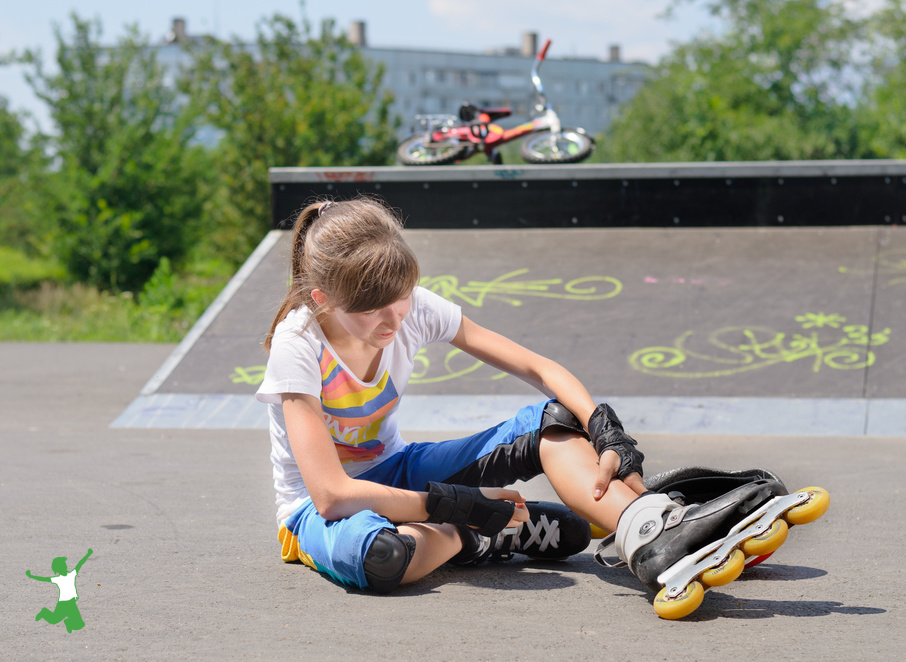
Have you ever wondered what people used to do to treat bruises and sprains before the invention of the home freezer which allowed convenient access to the wonder of ice cubes 24/7?
I used to sometimes wonder about this, especially when my children were toddlers and absolutely refused to allow me to put ice anywhere near, let alone directly on their skin.
Putting ice on an injury is not a comfortable process, after all, and not many young children I’ve ever encountered tolerate it very readily for more than a few seconds.
Even when I tried the cute little ice packs in the shapes of animals or other friendly creatures, my children would have none of it, thank you very much!
No-Ice Method for Treating Injuries
As it turns out, there is a highly effective remedy for sprains, bumps, and bruises that doesn’t involve any ice whatsoever.
For mild cases, application of witch hazel works well.
When an injury is more serious, a vinegar compress is very effective.
If combined with an anti-inflammatory herb like sage to increase potency, the remedy is called a vinegar poultice.
The application of a vinegar compress is written about in the elementary school reader, Elizabeth Blackwell, Girl Doctor, which chronicles the childhood of the first woman to receive a medical degree in the United States in 1849, Elizabeth Blackwell.
My daughter, who read this book in elementary school, clued me in to this remedy as described in Chapter 2.
Children come up with such great ideas, don’t they?
At the time, she also gently scolded me for not writing about a vinegar compress while she was actually reading the book. She said it was high time I wrote about this remedy, and to do it right away because she needed to return the book to the school library pronto. 😂
Ok then! When your child feels that strongly about something, you need to do it, right?
I hope this remedy is helpful to many parents out there whose children dislike ice on bumps and bruises as much as my children did.
Tips for Preparation and Use
While any type of vinegar works for a homemade compress, I prefer homemade apple cider vinegar or raw ACV packaged in glass (never plastic!).
Non-GMO white vinegar is fine too (most white vinegar is from GMO corn with glyphosate residue).
The plain version of the vinegar compress below is a helpful remedy to have on hand when ice is not available like for camping or hiking excursions.
Simply pack a small flask of vinegar and some brown paper strips in your first aid kit for emergency treatment of sprains and bruising.
*Be sure to change a vinegar compress often. Every hour or two would be optimal, but at the very least, each time it dries.
Within a few hours of initial application, the swelling should start to go down as the vinegar draws the bruising to the surface of the skin.
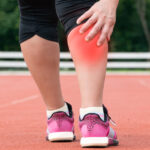
How to Make a Vinegar Compress
How to make a simple vinegar compress that effectively eases the pain and bruising of sprains and other injuries without the uncomfortable cold sensation of ice.
Ingredients
- Vinegar
- 4-5 sheets unbleached, unwaxed, uncoated brown paper
- 1 large glass bowl
- Nontoxic food wrap
Instructions
-
Fill the glass bowl with about 1 quart of vinegar.
-
Cut large pieces of the brown paper and fold them over several times into strips. Each strip should be about 5 inches wide and 15 inches long.
-
Place each strip in the bowl of vinegar one at a time.
-
Remove the strip from the vinegar when soaked through and gently wring it out.
-
Wind the strip tightly around the affected area. Continue with additional strips until the entire bruised or sprained area is covered. The coolness of the vinegar compress should feel comforting and not painful in any way.
-
Cover snugly with nontoxic food wrap to keep in place if desired.
Vinegar Poultice (alternative to vinegar compress)
If you would like to use the optional fresh sage leaves to increase the potency of this remedy, follow these steps to create a sage vinegar poultice:
- Place sage leaves on a clean wooden cutting board and flatten out gently with a rolling pin to bring the juices to the surface. Be sure not to tear the leaves.
- Place the bruised leaves in a medium-sized pan and just barely cover with vinegar.
- Simmer on very low heat for about five minutes. You should see a bit of steam as the leaves blanch, but be sure not to bring the mixture to a boil!
- Remove the leaves and cool for a moment on a clean cloth.
- Apply the vinegar-infused sage leaves while still hot to the injury and cover with a towel to keep as much heat in as possible.
- Leave in place for about an hour until the swelling begins to subside.
- Repeat as necessary to speed healing and alleviate discomfort.
Sources and More Information
Poultices: Modes of Use
How to Make and Use an Onion Poultice
How to Make a Castor Oil Pack



Thank you for another great article. Just last night I sprained my ankle. So I took an old unmatched tube sock and cut it off. Soaked it in apple cider vinegar and slipped it on my ankle and wrapped it in plastic wrap. The pain was much better in the morning and no swelling. It really does work!
Pokes aka Brown paper bags are the best by a lot the print won’t hurt anything if you need to use one with print. It being recycled poke won’t hurt either seriously a lot of you are over thing besides it is still iffy times better than the chemicals are antibiotics that you get in the store. Newspaper can work not as good but it will be better than nothing. To get kids over the smell use sage, Jasmine,camomile. Witch Hazel doesn’t smell as bad not as good but definitely close.
why brown bags? I assume in the past because they were available, but wouldnt a linen towel work as well and be less hassle than cutting strips?
Alien Country.org makes a wonderful all natural first aid ointment with calendula and comfrey. It even works on my friend’s highly sensitive eczema!
Ever look at the whole Jack and Jill nursery rhyme? They mention this remedy in there:
Up Jack got and home did trot,
As fast as he could caper;
And went to bed and bound his head
With vinegar and brown paper.
🙂
I first heard about vinegar and brown aper from reading Dickenson as a child. We also use homemade arnica,calendula, plantain, and comfrey salve. And of course, bromelin and Arnica Montana homeopathic tabets. Thanks for re-introducing this effective remedy.
Oh I hate this phone. DIICKENS!
Arnica! I also find Frankincense stops a bruise. but i like this to. I could tell people this and some would do it who don’t understand Homeopathy yet.
where would we be and how boring our lives will be without STHHE to pen the most interesting and thought provoking health issues of the day?
This is good to learn about, but my four boys have always hated the smell of vinegar and go running when I even pull out the bottle for various reasons. Am I the only one with kids like this? The natural remedies based in vinegar are endless, and we’ve had to bypass so many with their aversion. I was really dead meat the time I used ACV to scrub the carpet in my van after we spilled food. They complained for weeks about the lingering smell (although I had rinsed it and blotted it many times). Kids definitely have a stronger sense of smell than we oldies.
Also wondering about brown paper bags for wrapping the bruise area. Aren’t they made with undesirable chemicals? I vaguely remember hearing this awhile back when the topic of cooking a turkey in a brown bag was brought up.
I would definitely not use the side of the brown paper bag that has any sort of logo or picture on it for the chemical dyes. The plain brown paper side should be fine though. I would not use recycled paper as is contaminated with BPA. https://www.thehealthyhomeeconomist.com/recycled-toilet-paper-not-such-a-great-idea-after-all/
Try Folex. No perfume, no rinsing, no odor. $15/gal at Lowes. Refill the quart spray bottle.
Funny I should get this in my inbox today-for years and years we have used a Swiss product called Euceta, an arnica gel that literally prevented a bruise from even forming if applied immediately upon an injury (really decided the stuff was the cat’s meow when my then small daughter caught the corner of a bedside table between the eyes when she was JUMPING on a hotel bed-we slathered the gel on a sickening and growing goose-egg and the next morning when she got up, she had neither a bruise on her forehead nor 2 black eyes, which should have been the minimum injuries sustained).
As with all good things (and after using this product for 50 years) it went bye-bye last year and is no longer being produced. The substitute my sister brought me from the pharmacy in Switzerland last fall is called Acetoflex (some similar ingredients and I was hoping it was just repackaged) and we’ve been waiting for some good opportunities to test it. Well, the ram butted my daughter’s knee real good this morning-we slathered the stuff on an obviously swelling knee and…. an hour later she had to remove the gel, as it severely irritated her skin 🙁 We had the same unfortunate result last week when the other daughter bruised her leg riding her bike. She also got a terrible, bright red splotch where the gel was and had to remove it and wash it off. I used it on my ankle I rolled and strained while walking yesterday (when it rains, it pours!) and I did not get a red blotch.
Anyhoo, I thought it was timely and nice that this landed in my email today and I will continue to search for a better arnica gel replacement.. In the meantime, wondered if one might add arnica to the vinegar instead of sage?
🙂
Heel, makes Arnica based creams such as Traumeel. The government is making the production of homeopathics a stressful experience and so they, and others, have left America. I am sure you can find Traumeel or Arnica on the internet.
Vinegars method of healing I understand is that vinegar enhances blood flow near your skin’s surface, dissolving blood that has accumulated in the bruised areas.