
Table of Contents[Hide][Show]
Important questions to ask your raw honey supplier to be sure it is authentic, nontoxic, and therapeutic for all your food and medicinal needs.
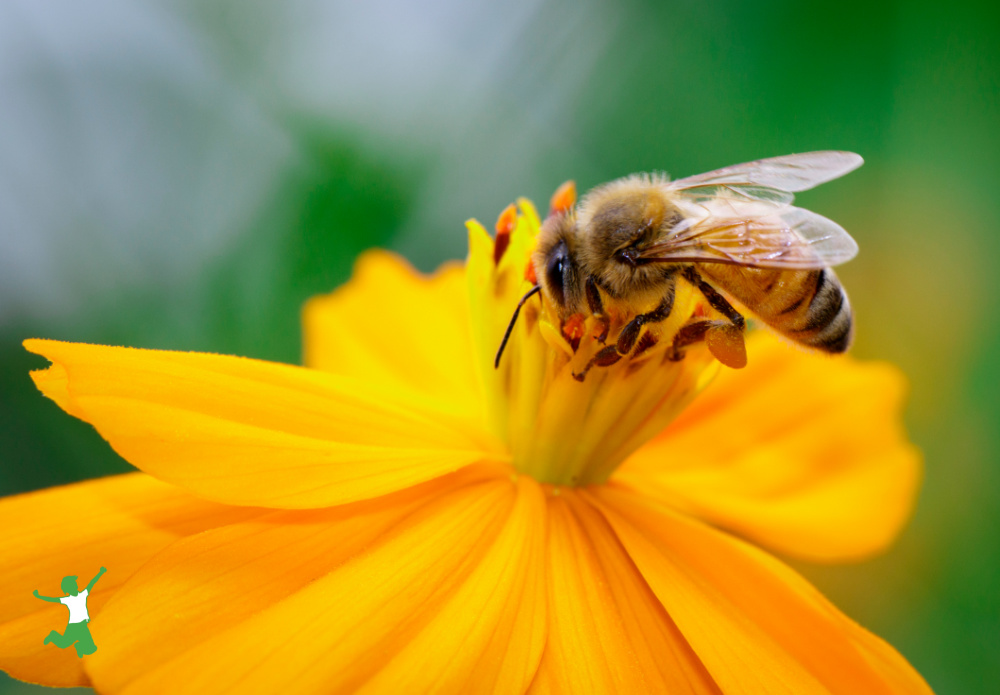
The benefits of raw, local honey are widely known, especially for boosting of the immune system and keeping allergies at bay, but is the local honey you are eating providing these full benefits?
Traditionally, bees were kept in a completely natural, nontoxic manner, but this began to change as recently as 1987.
This was when the varroa mite arrived in the United States. The varroa mite lives on bees like a tick, it weakens them and can infest a hive to the point where it dies. For some beekeepers, avoiding infestation started them on a downward slide of chemical use inside bee hives.
At first, this may not seem to make sense – chemicals to kill insects put inside a box full of honeybees, which are of course, insects themselves!
However, beekeepers were losing hives and they were scared.
The first mite-killing pesticide beekeepers tried worked wonders, as often happens, but the effectiveness didn’t last long and more chemicals came along.
Over the past couple of decades, keeping mites at bay with whatever chemical concoctions are working at the moment seems to have changed the culture of beekeeping to the point where many beekeepers now use chemicals and other treatments extensively in their hive management.
Here are some management techniques and practices used by most big commercial beekeepers and, surprisingly, many small beekeepers too:
- Pesticides in their hives to kill varroa mites, small hive beetles, and wax moths.
- Antibiotics in the hives, often as a preventive.
- Plastic foundation for the bees to build comb on, rather than beeswax and wood. This can potentially result in microplastics in the honey.
- Placing hives on conventional farms for pollination of crops.
- Feeding a pollen substitute, which is usually comprised of GMO soy and powdered GMO sugar. This is to increase the hives’ population at unnatural times in the season so they will be ready for pollination.
- Feeding GMO white sugar water or GMO corn syrup — also to artificially increase bee populations for pollination or because they took too much honey and the bees need extra food – if they are not careful, this will end up in the honey, and, just like for us, this cannot be healthy food for the bees.
Prior to keeping bees, I did not know that it was common for beekeepers to manage their hives with the techniques above. Now I know that it is extremely common, even among my small-scale beekeeper friends.
I have chosen not to do this and use no treatments in my hives.
Do my hives survive?
Yes!
I do experience some loss but no more than other local beekeepers who use chemical treatments, antibiotics and/or GMO pollen substitutes. It is possible to raise bees naturally, and there is a small, but hopefully growing, movement of treatment-free beekeepers.
By carefully sourcing your honey, you can support and encourage this movement.
How to Source the Best Local Honey Possible
So, how can you source the best local honey?
Know your beekeeper!! There is no substitute for this step in finding the healthiest local honey possible.
Where do you find a beekeeper? That can be a treasure hunt.
One place to check is your local farmers market. Often, however, you will find a retailer there who buys local honey from beekeepers wholesale and bottles it to resell, so be sure to ask if they are beekeepers and selling only their own honey.
Another place will be through your local beekeeping association; these generally have websites and monthly meetings.
Go to a meeting and ask around, find the one with hives closest to your home, and then ask them some questions about how they keep their bees.
10 Important Questions to ask a Bee Keeper
These are the top 10 questions to be sure to ask a beekeeper to ensure the honey you buy is raw, unfiltered, and made from 100% flower nectar and not GMO sugar water.
Honey made from sugar water is not going to have the same benefits for reducing allergies as honey from 100% local flower nectar for obvious reasons!
- Where are your bees located? Hint: the closer to your home, the better.
- Do you feed your bees sugar water or corn syrup?
- Do you ever feed your bees a pollen substitute?
- How do you treat for varroa mites?
- Do you use antibiotics preemptively? Have you had to use them?
- Do you treat for small hive beetles or wax moths? How? Hint: mechanical mitigation methods such as diatomaceous earth traps are ok. Pesticides are not.
- What kind of foundation do you use? (Options are: plastic, wax, or none)
- Do you heat honey to bottle it? How do you filter your honey if at all?
- Does your creamed honey (if available) contain any additives or GMOs, or has it been heated during processing?
- Do your bees have access to the pollen of GMO crops like Roundup-ready alfalfa? Hint: this article on the cleanest types of honey lists the best ones to look for. Yes, the flower source for your honey matters!
Depending on the answers to these questions, you may wish to find another local honey supplier!
Which Local Honey to Buy?
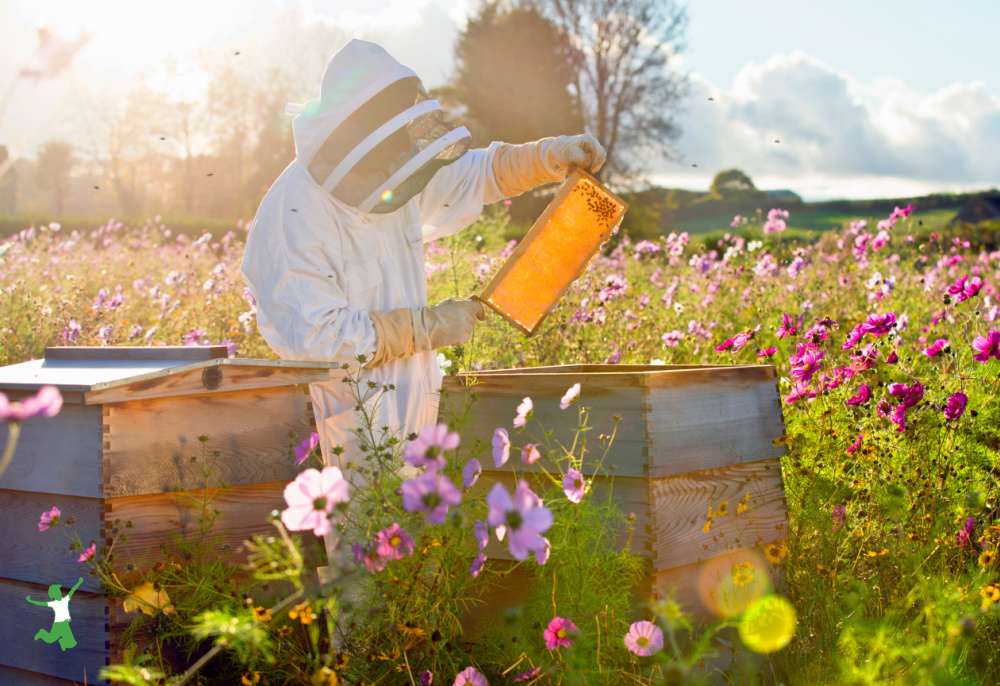
The absolute best local honey would come from YOU keeping bees in your own backyard.
With advice and support from your local beekeeping association, it isn’t much harder than growing a garden, at least where I live in Florida; it actually takes less time and space.
Bees in your yard will visit flowers within an 80 square mile area (5 mile radius) around your home; they are intricately connected to the environment and benefit your local ecosystem.
The next best is local honey directly from a beekeeper in your area who uses no chemicals or other treatments, does not feed or move their bees, does not filter or heat their honey, uses wooden frames and natural wax foundation and has bee hives within 5 miles of your home.
If you can’t find all that, aim for meeting at least some of these criteria.
You have to weigh the importance of each beekeeping practice for yourself.
If you have a neighbor with bees but they use some treatments, that honey might be best for you because those bees are harvesting from your environment rather than honey from a completely treatment-free beekeeper an hour or two away.
I love bees, and I know they can thrive without treatments or feeding sugar water/corn syrup.
If you are actively improving your health through nutrient-dense foods and using raw honey as medicine, it is important to know this information about how honey is produced.
You can carefully source your honey just as you do other precious foods or, better yet, keep your own backyard hive!
References
IPM 6 The Arsenal: Our Choice of Chemical Weapons
The Practical Beekeeper, Beekeeping Naturally by Michael Bush
Tests Show Most Store Honey Isn’t Honey
Caution In The Use of Chemicals, Drugs, and Antibiotics (in bee hives)



Leave a Reply