
Video: How to Render Lard

by Sarah, The Healthy Home Economist on September 29, 2010


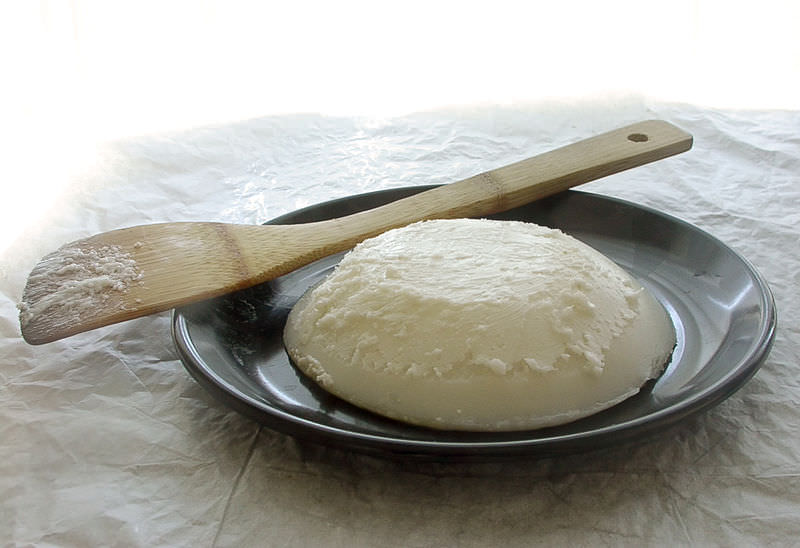
Lard is a healthy, traditional fat from pigs that can be used to greatly enhance the flavor and nutrition of your home cooking and baking.    Contrary to popular belief, lard does not make you fat.     Perhaps the fact that lard is traditionally used for making pie crusts and eating too much pie will indeed make you fat is where the negative connotation comes from.

The most nutritious and best quality lard is leaf lard, which is the fat around a pig’s kidneys.

It is best to render your own lard once you have located a quality, pastured pig farmer in your local area.   Lard contains high amounts of vitamin D when the pigs are allowed to be outside in the sunlight.   Locating a pastured pig farmer, then, is of primary importance to make sure the lard your render is of high nutritional quality.


The lard “cracklings” that are left over after rendering the lard can be placed on a cookie sheet in a warm oven overnight to dry out.    They make a great snack alone or topping for salads!

Paula Jager, CSCS who does a regular fitness guest blog for The Healthy Home Economist, shows us how to
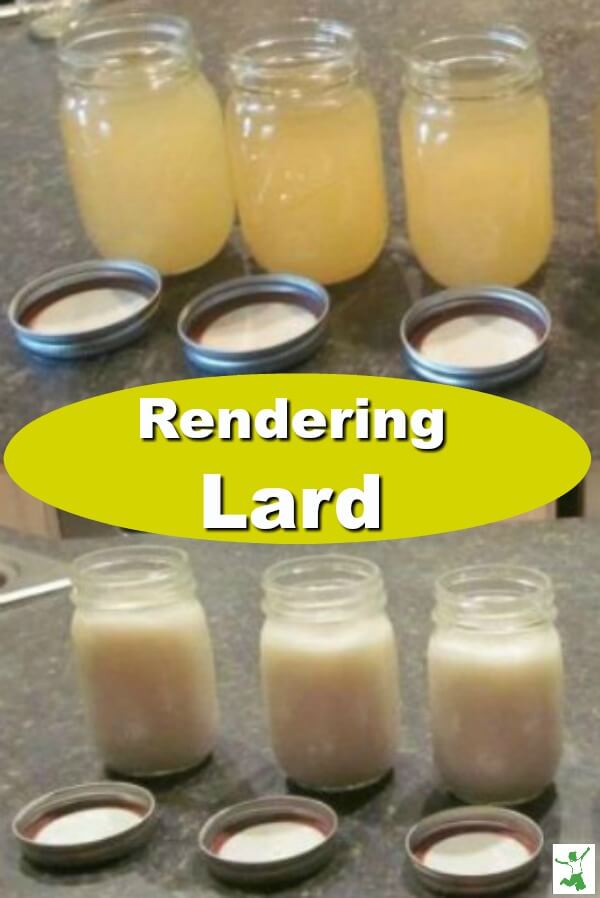
render lard in this week’s video class.   Please note that one pound of leaf lard will render approximately 1 pint of lard.

Sarah, The Healthy Home Economist

* This post is shared at Fight Back Friday and Real Food Wednesday


The Healthy Home Economist by E-mail


{ 31 comments… read them below or add one }

Cathy Payne September 29, 2010 at 2:17 pm

Thanks as always for making a potentially intimidating subject so accessible! You always make it look easy.

Reply

Kate @ Modern Alternative Mama September 29, 2010 at 2:24 pm

We are lucky: we just got 1/2 a pig from our farmer (pastured, of course, like all his animals!) and got the lard with it. The butcher even rendered it for us! :) (Although I have rendered tallow before and would have done it myself if necessary.)

Reply

Anonymous September 29, 2010 at 4:00 pm

Animal fat has been around a lot longer than the FDA. Why were they so quick to toss lard overboard? I personally think we should toss the clueless FDA!! When I discovered lard I wanted to hunt down the villains who'd kept me away from this beautiful stuff all these years!! Lard is my favorite fat for the kitchen, It is without a doubt the most sophisticated fat you will ever use. Everything turns out beautifully cooked, golden, yummylicious! Not flavored in anyway except the flavor of the actual food you are cooking.
I’ve rendered the fat in a crock pot on low and it does a very nice job without overheating the lovely fat, and doesn’t require as much babysitting. May you all bathe in the warm glow of hog fat!!!

Reply

Anonymous September 29, 2010 at 4:02 pm

I’ve found that the more hog fat I eat the thinner I get! How FUN is that?! :-)

Reply

Ariel October 25, 2011 at 7:55 pm

Lard, butter, and coconut oil! At least a tablespoon of each a day, and I stay nice and trim. Whole fats are DEEE-LICIOUS, and there’s a reason for that!

Reply

Pavil The Uber Noob September 29, 2010 at 4:08 pm

So a pint really is a pound world round.

Reply

Sarah, the Healthy Home Economist September 29, 2010 at 4:24 pm

Can you believe how gorgeous Paula looks in the video and she is 5-0! If that isn't a great commercial for eating pastured lard, I don't know what is!

Reply

Anonymous September 29, 2010 at 7:24 pm

Thanks for encouraging people to do this, and making it look easy, which it is! I rendered pastured leaf lard once and put it into sterilized canning jars that sealed tightly when they cooled. This was a bonus because I could store them in the cabinet rather than taking up freezer space. My slab of lard, about 10"x10"x3", rendered down into about five 16oz mason jars. My farmer said well-rendered lard lasts indefinitely in sealed jars in the cupboard or frozen in any type of jars. Once I open a jar, I store it in the frig and it lasts a long time (it's a very stable fat). I've been using this super duper fat for everything I can think of ever since. Eggs fried in lard slide right out of your stainless skillet. Ask your farmer to grind the fat, which makes it easier and faster to render (it took me about 2-3 hours total). Lard from pasture-raised pigs who are able to run around in the sun is one of the best sources of Vitamin D! I shudder to think of all the Crisco I consumed years ago, but it's better late than never to make this delicious and nutritious switch!
~Beth

Reply

mea2192000 September 29, 2010 at 11:15 pm

I grind leaf lard in my meat grinder, then render it in my slow cooker. I usually set the crock pot outside on my back porch for the day to keep the heat out of the house. This process is much easier than rendering lard on the stove–I never have to stir.

Reply

Paula September 30, 2010 at 1:42 pm

Sarah, you weren't supposed to tell!! Just kidding:) Anon, may I please help you "toss the clueless FDA"? I too wished I had discovered it years ago. Once I introduced lard and other animal fats into my diet and removed grains and refined carbohydrates I became leaner and saner. When I use lard, I get a warmth and saiety which makes me very happy. My rx for a smooth transition through menopause: Lard & Wind Sprints. Nothing like it–Praise the Lard!

Reply

Anonymous September 30, 2010 at 4:01 pm

Paula,

"All we need is LARD….da ta da da…All we need is LARD…."

I DO so agree – however I can't believe that you would know ANYTHING about menopause, you look 20 years old!!!! You are gorgeous!!! What is a wind sprint?

Reply

Anonymous September 30, 2010 at 5:28 pm

Hi Sarah,
I am new to your very informative blog.
I have to say that rendering lard had never crossed my mind. Thank you for showing us how. By the way, your friend looks great. She is proof that consuming lard is good for the body. Wow! This lard episode is so informative and so counter-cultural, but so wise.

I just recently changed my eating habits from the so-called "healthy low fat" regimen to no grains, low glycemic due to serious health reasons. I was scheduled to have a hysterectomy last week and just a couple of weeks prior I started my new eating lifestyle, and began to feel so much better (PMS, pain and menstrual problems) were much improved. Also, I stopped using synthetic products on my skin/body as well as in my house (in order to reduce those estrogen mimicking toxins).

Thank you for posting such helpful information! I get a lot of inspiration from reading your material.

Reply

Ariel October 25, 2011 at 7:59 pm

Wow, congrats! You really quit “main-stream” cold (pastured) turkey! Good luck with your health adventure, and God bless!

Reply

Sarah, the Healthy Home Economist September 30, 2010 at 5:45 pm

Hi Anonymous, congratulations and all the best on your new health adventure. I am glad this blog can serve as a source of inspiration and information to you on this journey.

Reply

Paula September 30, 2010 at 11:00 pm

Bless you Anon:) Only in my mind am I 20, Sarah posted my "real"age. A wind sprint is running as fast as you possibly can for a short distance, say 50 to 100 m as fast as you can, resting about 3x as long as it took you to do it and then repeating 6 to 10 times. Clears my head and really leans out the glutes, thighs and midsection.

Reply

Alina October 1, 2010 at 6:38 am

Thank you for this informative video. Now I just need to find some lard.
How does tallow compare to lard? Is it also nutritious? Does it render the same way?
I have done recently beef broth and once it cooled there was half an inch of fat on top! Was it tallow?
Thank you in advance.

Reply

Anonymous October 1, 2010 at 2:29 pm

This is probably a terribly silly question, but where do you store the lard once it has cooled? Someone mentioned in their comments that you can store it at room temp. if the lid seals but I didn't know if there is still a risk for any sort of contamination with storing it like that. Otherwise does it need to go into the freezer? Thanks, Kimberly

Reply

Sarah, the Healthy Home Economist October 1, 2010 at 4:30 pm

Hi Kimberly, I store in the freezer and the jar I am currently using in the refrigerator. If you live North and have a cool, dry cellar, that might work too.

Reply

Paula October 1, 2010 at 7:25 pm

Hi Alina, I have also done tallow and rendered it the same way; it is delicious, nutritious and has a differnet flavor and texture. It is excellent for french fries! I also cook vegetables in it as well as use it for browning roasts and stew meat. I use them interchangably except for baking. The layer of fat on top of the beef broth was indeed tallow. I spoon mine off, keep in a mason jar and use as a cooking fat.

Reply

Anita December 13, 2010 at 2:54 am

We raise our own beef but we don’t eat pork – can we use the beef suet to render down and use the same way? I read the comments and this is what I think I’m seeing you say…?? I also simmer stock on the woodstove in the winter – fat rising to the top is rendered tallow? Oh, great. I’ve been feeding it to the dogs!

Reply

Sarah, The Healthy Home Economist December 13, 2010 at 9:05 am

Hi Anita, suet is from lamb, tallow is from cows. I’ve never rendered suet and tallow is much easier than lard. Just cut into pieces and melt it in a warm oven.
Sarah, The Healthy Home Economist\’s last post: Veganism Almost Killed Angelina Jolie

Reply

Lara February 18, 2011 at 12:34 am

Hi Sarah

I hope these are not silly questions however why do you render lard or clarify butter. What are the advantages of doing this over cooking with straight lard or butter. Should you do this with all animal fats ie beef and duck?

Thank you again for such an amazing site. It has helped my family so much.

Lara

Reply

Sarah, The Healthy Home Economist February 18, 2011 at 9:38 am

Hi Lara, you render lard to get lard. Without rendering it, you have no lard as its bound up in the tissues of the pig and you have no oil by itself to cook with. Making ghee (clarified butter) removes all the milk solids leaving only the butter oil which has a higher smoke point for cooking (the milk solids can burn if you use butter for cooking) and also many folks allergic to butter have no trouble which ghee.

Reply

Julie March 4, 2011 at 11:24 pm

What is the brick of lard in the oil isle at the grocery store? Acceptable or not? I’ve asked every butcher in town about buying lard and they all walk me to the “brick” on the shelf. The good news is, with many Indian Food stores where I live, I can find Ghee everywhere for a great price.

Thanks everybody for all the great comments in addition to Sarah’s posts. They too, are helpful for us newbies.

Julie

Reply

Angela June 26, 2011 at 10:09 am

Julie, the lard on the shelves in my stores is always hydrogenated, or partially hydrogenated…not good.

Reply

Patty July 20, 2011 at 1:29 pm

Wallace Farms is in Iowa and they deliver to my area here in Illinois. They sell 4 lbs of lard for $10. I asked to see if they had rendered it and did it contain hydrogenated oils and the response was, “just wonderful clarified pork fat!” Does this mean it is ready to cook with? Love your site!

Reply

Mindy July 31, 2011 at 9:29 pm

What is the texture of the cracklings like? Mine seem to be a bit soft, even after drying them in the oven. Is that okay?

Thanks!

Reply

Cari October 24, 2011 at 11:30 am

Thanks for the info on lard! My question is when we get our lard before it is rendered how long can it stay in the freezer? Or where is the best place to store it? We raise our own pasture pigs and I will have a lot of Lard?? And also raise our own beef? Is tallow stored the same?
Thanks a ton!!!

Cari

Reply

Lynda May 7, 2012 at 2:54 pm

Hi Sarah,

I have a question about re-using lard, or tallow. Can I strain, refrigerate it and then re-use the lard I used to fry chicken wings in again and again? It’s hard to imagine that traditional people had an endless supply of these wonderful fats and threw the away after each time they used them. What is YOUR rule of thumb when it comes to healthy, God given saturated fats….including coconut oil for that matter. Do you re-use them?

Thanks; Love your blog!

Lynda

Reply

Tab May 21, 2012 at 3:46 pm

I have the same question about re-using lard. Thank you so much Sarah for your blog and helpful responses!

Reply

bonnie November 6, 2012 at 4:16 pm

Yay! I am rendering lard as I write. I am so glad I saw your video, I was buying ‘lard” from the Amish Farm we get our raw milk. But it was dark and tasted like bacon. I thought for a while it might be the bacon drippings. Now I know for sure it wan’t real Lard. So I finally found a meat butcher who sells the pure pork fat and suet for tallow or only a dollar a pound!

Love your information!
THanks BJP

Reply

Leave a Comment

CommentLuv badge

{ 3 trackbacks }

Previous post:

Next post: