
Alcoholic Without Ever Drinking a Drop?

by Sarah, The Healthy Home Economist on May 24, 2011


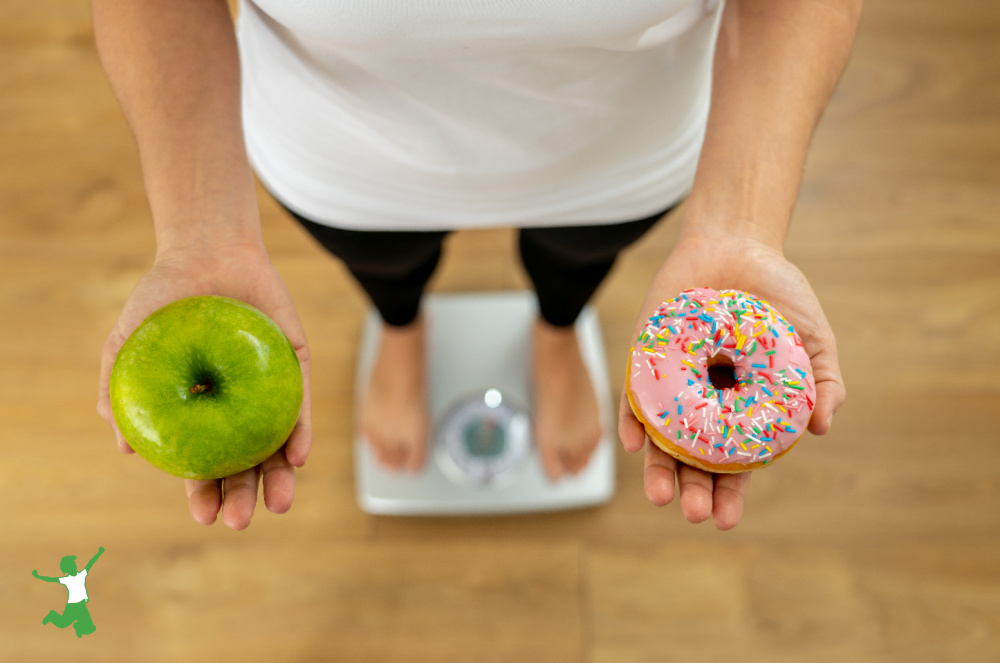
too much of a good thingIt is well known that overconsumption of refined carbs and sugar can make you overweight with blood sugar issues.

Did you know that it can also give you a mangled, scar ridden liver that is indistinguishable from the liver of a fifth of whiskey a day alcoholic?

It is estimated that over seventy million Americans suffer from nonalcoholic fatty liver disease – most who don’t even know it.

Nonalcoholic fatty liver disease is truly a silent epidemic growing in lockstep with the meteoric rise of Metabolic Syndrome in Western society, a sinister set of symptoms intimately related to obesity, insulin resistance, high blood pressure, elevated triglycerides and reduced HDL cholesterol.

Dr. Samuel Zelman MD first brought attention to this disorder in 1952 when he observed the disease in a hospital aide who drank 20 or more bottles of Coca-Cola each day. Given that this disorder was basically unknown just 60 years ago, there can be no doubt that nonalcoholic fatty liver disease is a disease related to overconsumption of the “displacing foods of modern commerce” written about by Dr. Weston A. Price in his book Nutrition and Physical Degeneration.

In 1980, the Mayo Clinic produced a report detailing “nonalcoholic steatohepatitis” or “NASH” to describe the disease.  Giving the nonalcoholic form of fatty liver disease an actual name proved helpful as it gave physicians a much needed awareness of this disorder.  Prior to this report, physicians were known to accuse patients with the disease of lying about their alcohol consumption habits.

Increasing scrutiny of nonalcoholic fatty liver disease since 1980 has confirmed again and again the relationship between this disorder, obesity, and diabetes.  Most alarming is the fact that this disease is present in up to 75% of obese individuals, mostly undiagnosed.

The initial trigger for this disorder appears to be nutritional imbalance brought on by overconsumption of calorie rich refined foods which send too much energy to the liver without sufficient nutrients to process it.

The vulnerability of the liver is further increased by overconsumption of polyunsaturated vegetable oils which promote oxidative stress and inflammation.

Choline to the Rescue

Choline deficiency contributes greatly to the development of nonalcoholic fatty liver disease.  Choline, a water soluble nutrient usually grouped as a B vitamin, is primarily found in liver and egg yolks, foods typically shunned in the diets of the majority of Americans.

Choline is necessary to produce a phospholipid that is a necessary component of a particle used by the body to export fat from the liver.  Choline, then, can prevent the development of fatty liver whether the cause be sugar, omega-6 polyunsaturated fats found in excess in processed foods, or alcohol.

The amino acid methionine acts as a precursor to choline and therefore can be helpful in the prevention of this disorder depending on the ability of the individual to make that conversion.  It seems genetics plays a role given that Asians seem better able to make the conversion than Caucasians.

Drunk Without A Drop

Dr. Natasha Campbell-McBride writes about a related phenomenon in her book Gut and Psychology Syndrome. Adults and children with an overgrowth of Candida (pathogenic yeast) in their gut can appear permanently tipsy or drunk due to the hijacking of glucose by Candida which digests it in a manner called alcoholic fermentation.

Candida and other pathogenic yeasts in the gut convert dietary glucose into alcohol and the byproduct acetaldehyde. The symptoms of drunkenness are particularly pronounced after a meal heavy in carbohydrates.  Candida would consume these carbohydrates (refined carbs and sugars) and produce alcohol.

Therefore, despite the fact that these adults and children never consumed any alcohol whatsoever, they would nonetheless suffer from the effects of alcoholism!

Alcohol has a very small molecular structure and so passes very easily into the blood and any other barrier in the body.  As a result, a pregnant woman with Candida overgrowth is at particular risk as the alcohol that is produced by the pathogenic yeasts in her gut would cross the placenta to her unborn child.

Alarmingly, alcohol would also be present in her breastmilk!

According to Dr. Campbell-McBride MD, the effects of a chronic presence of alcohol in the body from overconsumption of refined carbohydrates and sugars as well as an imbalanced gut dominated by pathogenic yeasts include:

  • Impaired coordination, lack of self control, impaired speech development, aggression, poor memory, and/or stupor
  • Reduced ability to produce stomach acid (higher predisposition to intestinal illnesses of all kinds)
  • Degeneration of the pancreas which further impairs digestion
  • Malabsorption of nutrients from food
  • Nutritional deficiencies – in particular, the B vitamins and vitamin A
  • Immune system impairment and damage
  • Liver damage (as in nonalcoholic fatty liver disease – previously described)
  • Muscle weakness and muscle tissue damage
  • Altered senses from peripheral nerve damage

Summary

While shocking and seemingly far fetched, a diet high in refined carbohydrates, polyunsaturated oils and sugar and the associated gut problems that go along with it can indeed result in the physiological effects of alcoholism even if the sufferer never drinks a single drop of beer, wine, or hard liquor!

It seems clear that a return to the traditional diets of our ancestors is imperative in halting this devastating epidemic and its lifelong impact not only on ourselves, but the most vulnerable among us as well – our children and grandchildren.


Sarah, TheHealthyHomeEconomist.com

Source: Nonalcoholic Fatty Liver Disease: A Silent Epidemic of Nutritional Imbalance by Chris Masterjohn

Gut and Psychology Syndrome, Dr. Natasha-Campbell McBride MD ( The Gut-Brain Connection).

Picture Credit


The Healthy Home Economist by E-mail


{ 49 comments… read them below or add one }

Crunchy Pickle May 24, 2011 at 11:25 am

So, what would be the warning signs for an adult that they had NAFLD? (I mean other than the obvious honest assessment of their poor eating choices…)
Crunchy Pickle\’s last post: Wanna Lower Your Cholesterol Go Eat a Big Mac…

Reply

Sarah, The Healthy Home Economist May 24, 2011 at 11:42 am

There aren’t any obvious warning signs that I know about which is what is so scary about it. I’m sure there is something a doctor could test for in his/her office, but I don’t know of any clear signs that a person could look for on his/her own.
Sarah, The Healthy Home Economist\’s last post: Seedling Garden in 95F Heat!

Reply

Kiki Bacaro October 25, 2012 at 3:16 pm

My naturopath used a portable breathalyzer to test to see if sugar was turning into alcohol in my system. Later on I had an MRI for an enlarged Liver and Spleen and found that I had a lot of fatty tissue around my liver and my liver had signs of being cirrhotic(sp?)…I’ve been on the GAPS diet for 10 months now and my liver and spleen are no longer swollen and I’ve had not pain. I havent gone back in for another MRI though.

Reply

Andrea October 25, 2012 at 3:55 pm

This site has a list of behaviors associated with NAFLD:
http://www.wellfedhomestead.com/alcoholic-behaviors-without-drinking-a-drop

Maybe that will give you somewhere to start.

Reply

Gail Norton Romer via Facebook May 24, 2011 at 12:22 pm

Thank you Sarah for keeping us informed and healthy!

Reply

Donna Morin Miller via Facebook May 24, 2011 at 12:24 pm

Was just reading of the harmful effects of HFCS on the liver.

Reply

Raine May 24, 2011 at 12:31 pm

Fantastic topic Sarah. I have gone round and round with people about this very topic and I wrote a post about it 4 years ago after watching “SuperSize Me” with Morgan Spurlock. In this film (for those who haven’t seen it) he undergoes a diet of McDonald’s food and only McDonald’s food for 30 days. During different phases of this diet, his doctors perform blood tests to find out where his health condition is at…and at something like day 22 they determine that his liver is in the same condition as a binge alcoholic – thus firmly establishing the sugar-and-carb connection to a decline in health. I have seen many people who stop drinking replace alcohol with some other source of sugar or carb, and to me it’s absolutely indicative of a sugar addiction all the way around, as well as a yeast overgrowth in the body.

Reply

Sarah, The Healthy Home Economist May 24, 2011 at 1:46 pm

My Uncle (now passed away from liver cancer) was an alcoholic who gave up the bottle and promptly got addicted to ice cream! This is more common than many realize, I think.
Sarah, The Healthy Home Economist\’s last post: Seedling Garden in 95F Heat!

Reply

Sunny Day via Facebook May 24, 2011 at 12:42 pm

I am not a bit surprised. Long ago i bought a “lite” version of wine coolers by accident…. and didn’t get the same buzz and knew the sugar high/crash was part of it. Good info! :)

Reply

Raine Irving Saunders via Facebook May 24, 2011 at 1:31 pm

I shared this link on my Agriculture Society wall Sarah. I also regularly share a lot of other posts you write on clients’ FB pages that I manage. I hope you are doing well!

Reply

Sarah, The Healthy Home Economist May 24, 2011 at 1:48 pm

Can’t wait to see you next month, Raine. Give me a buzz as soon as you arrive. :)
Sarah, The Healthy Home Economist\’s last post: Seedling Garden in 95F Heat!

Reply

Katie @ Wellness Mama May 24, 2011 at 1:46 pm

I’ve been in this discussion so many times! I’m passing your post on to my email list… you explain it very well. I’ve also seen emerging evidence that this same process, just as with true alcoholism, can pre-dispose people to other forms of addiction.
Katie @ Wellness Mama\’s last post: Homemade Remineralizing Toothpaste Recipe

Reply

Bonny May 24, 2011 at 2:10 pm

Sarah, I always love your blog posts! I am constantly sharing your info on Facebook (as I did again with this post). Thanks for all your research and hard work. You are really blessing people’s lives!

Reply

Linda May 24, 2011 at 2:14 pm

Another good reason to watch your sugar and carbs.

Reply

Sarah, The Healthy Home Economist May 24, 2011 at 2:37 pm

Exactly! A big backside is the least of your worries with overconsumption of sugar/refined carbs.
Sarah, The Healthy Home Economist\’s last post: Seedling Garden in 95F Heat!

Reply

Jill May 24, 2011 at 3:22 pm

Fatty liver is usually detected via routine blood tests that include a liver panel (AST, ALT). Further tests would involve imaging, and finally a biopsy if necessary . There are no clear signs or symptoms in the early stages. It has been shown that HFCS can cause fatty liver.

This was a very informative post — as usual from the Healthy Home economist!
Jill\’s last post: 9 Days Left to Enter This Month’s Giveaway!

Reply

Lori May 24, 2011 at 3:38 pm

Thank you for this article! I so get this way when I consume carbs and I keep trying to get rid of candida. !! I’m glad to understand why and will have to get this book. I’ve been putting off going on the GAPS diet with a family (including 3 teens to feed) it’s difficult to follow.

Lori
Lori\’s last post: Asian style square plate

Reply

Kelli May 24, 2011 at 6:12 pm

Wow! So maybe this is why I’ve felt a “little odd” and even somewhat drunk after having too much bread in the past. Scary…

Reply

Sarah, The Healthy Home Economist May 24, 2011 at 6:50 pm

I get dopey after too much sugar or bread too.
Sarah, The Healthy Home Economist\’s last post: Seedling Garden in 95F Heat!

Reply

Stanley Fishman May 24, 2011 at 9:02 pm

The solution can be simple. Many people have seen their symptoms disappear by going on a WAPF style diet, and a diet like that will avoid the eating patterns that seem to cause the disease.
Stanley Fishman\’s last post: Natural Salt vs Industrial Salt

Reply

lintonpair May 25, 2011 at 2:37 pm

I just had a weight loss operation for morbid obesity. Part of the treatment plan before the op is to go on a very low calorie diet to shring the liver to make it easier to work around. My liver had only shrunk slightly. I hadnt cheateatred etc.. but my specialist told me it looked like I was a hard drinker. My liver wasnt a happy or helathy liver at all. Yet I showed NO outward signs. Apparently its not that uncommon for obeisity surgeons to find this on a daily basis.

I havnt touched alcohol in 5 years except a glass once a fortnight in a family food recipe.

Reply

Karolee May 26, 2011 at 2:06 am

Interesting. I read the article on the WAPF site that you linked to in your sources. Then read what the Mayo Clinic had to say. Talk about a conflict in stories. The Mayo Clinic recommends a diet low in saturated fat and with plenty of whole grains, etc. (The usual “healthy” diet”).

I have been having problems with pain on the upper right side, and I suspect this might be the culprit. Might be time to have it checked. WIsh I could find a WAP doctor.

Smiles,
Karolee

Reply

Lori @ Laurel of Leaves May 26, 2011 at 2:55 am

What a fascinating article!! Thank you so much for sharing this info.
It’s amazing how many health problems are linked to what we put in our mouths. Just goes to show that the remedy is most often found there as well!
Lori @ Laurel of Leaves\’s last post: The Real Food Diet Cookbook Giveaway!

Reply

Thor Falk May 26, 2011 at 1:49 pm

Isnt it mainly the fructose (either free as in HFCS or agave sirup, or from sucrose) that damages the liver due to the specific fructose metabolism?
Thor Falk\’s last post: What yogurts to buy for my five year-old daughter

Reply

Sarah, The Healthy Home Economist May 26, 2011 at 2:02 pm

Fructose damages the liver but nonalcoholic fatty liver disease appeared on the scene long before high fructose corn syrup so there are other causes .. simple overconsumption of sugar, refined grain based carbs, and polyunsaturated oils.
Sarah, The Healthy Home Economist\’s last post: Seedling Garden in 95F Heat!

Reply

Melissa Lange June 28, 2012 at 11:52 am

Hi Sarah, Thank you for making me aware of this. I have an overgrowth of yeast in my system (continually getting thrush) and I am feeling overwhelmed about what to do about it. I eat a lot of yogurt, kefir and take a probiotic. I am in the process of taking all sugar out of my diet. Is there anything else I need to avoid? One source said to avoid anything fermented. I’m not sure if I buy that. If you could give me some direction I would be so grateful. Thank you so much.

Reply

Juliana Fisher via Facebook October 25, 2012 at 1:33 pm

I went to Oriental Trading’s website and bought a bunch of non-candy things to give out — Halloween bubbles, pencils, bracelets, etc. I am excited feel good about what we hand out.

Reply

thehealthyhomeeconomist via Facebook October 25, 2012 at 1:35 pm

My problem is that we do allow our kids to trick or treat just to be with their friends and have a good time. But all the candy they bring home! Mountains of it. I let them keep a few pieces and the rest we take to the dentist who pays the kids $1/lb for it.

Reply

Mariely M de G via Facebook October 25, 2012 at 1:38 pm

We are not big fans of Halloween but after the diagnose of my boys autism/ celiac I cannot let them eat the TONS of Sugar… Trying to get them to the movies or something

Reply

Elizabeth Otte Stowers via Facebook October 25, 2012 at 1:38 pm

We have a Candy Fairy that comes (our kids are little). They pick out a few pieces of candy, then the Candy Fairy comes that night, takes the candy and leaves them a small gift. It works like a charm! They even have candy saved up from birthday parties throughout the year to give to her. :)

Kids always LOVE glow bracelets, so we usually give them out for Halloween instead of candy. Good for nighttime safety too!

Reply

Elizabeth Otte Stowers via Facebook October 25, 2012 at 1:38 pm

When the kids are older, we’ll probably just let them give us candy for money. The more they get, the more they earn.

Reply

Sheri Slack Secules via Facebook October 25, 2012 at 1:40 pm

Years ago my husband and I coined a phrase after we noticed this type of reaction, “Drunk on cookie” after eating holiday cookies and not touching a drop of alcohol. I had no idea that this type of reaction was even possible. Thanks so much for bringing this to our attention. That was before changing our diet.

Reply

Nakia Nieves-Talavera via Facebook October 25, 2012 at 1:43 pm

Better Sugar than Sugar Free candy full of artificial sweeteners made from chemicals.

Reply

Christina Rochette via Facebook October 25, 2012 at 1:47 pm

That’s fascinating!

Reply

Melissa Northrop Smart via Facebook October 25, 2012 at 1:51 pm

So that’s why I frequently bump into the wall and giggle senselessly after 9 pm!

Reply

Susan Faia Eaton via Facebook October 25, 2012 at 2:00 pm

Makes me glad we don’t celebrate that Holiday. I also keep artificially-dyed & colored candy and drinks away as much as I possibly can. My kids get candy from other sources and replace with healthy alternative (like juice sweetened lollipops from Whole Foods), or throwing away but giving a bowl of fruit or a homemade smoothie which they love.:-)

Reply

Tracey Ginter via Facebook October 25, 2012 at 2:05 pm

I believe it. Candida, cancers, and other bacteria/viruses feed on sugar. One would also need to be concerned about what it’s doing to their liver as well.

Reply

Brittnee Turner Horting via Facebook October 25, 2012 at 2:16 pm

Whever my kids get a lot of candy (Halloween, parades, etc) I put it up and they get a few pieces here and there and then usually forget about it. We also go through it and pick out a bunch of stuff to send to my brother when he’d deployed with the Army…he shares it with his buddies and soldiers are always passing it out to kids too.

Reply

Lisa Wendling Huntoon via Facebook October 25, 2012 at 2:17 pm

We also have a Halloween Fairy that visits out house. He gets a toy in exchange for the candy. Works great! I love that my son can still experience the excitement of trick or treating but doesn’t get any of the negative effects.

Reply

Tina Zanetti via Facebook October 25, 2012 at 3:02 pm

A good nutritional diet protocol, for optimum health, is to stay away from alcohol, which was once only used as a remedy.

Reply

Maureen Burke Cuddeback via Facebook October 25, 2012 at 3:06 pm

thanks, will share

Reply

Kiki Becerra Bacaro via Facebook October 25, 2012 at 3:07 pm

true story….it’s happened to me actually. I am a teetotaler and I noticed that every time I ate lots of sugar (I mean like a sugar binge of Krispy Kreme donuts and coke) I would feel buzzed and have that “hot breath” that you have when you drink…I told my naturopath at the time and she did a portable breathalyzer test on me and sure enough I had a near legal limit for driving…scary stuff!

Reply

Sondra Henriksen via Facebook October 25, 2012 at 3:30 pm

That explains why I have felt hungover the morning after eating a bunch of sugar.

Reply

Lindsey Gremont October 25, 2012 at 4:04 pm

I believe it! I have never felt better after ditching refined sugar and drinking kefir which I think killed the candida for good!
Lindsey Gremont\’s last post: Sometimes it feels impossible to keep it REAL in a FAKE food world

Reply

Josh Walter via Facebook October 25, 2012 at 4:22 pm

Sugar and yeast is deadly

Reply

thehealthyhomeeconomist via Facebook October 25, 2012 at 4:33 pm

Yes, I totally relate Sondra!

Reply

Jane Welsh via Facebook October 25, 2012 at 10:45 pm

Hi Sarah, I have been trying to work out what the occassional “fruity smell” on my kids breath is. Have you any experience of this from acetaldehyde if they have candida and have had too much carbs?

Reply

thehealthyhomeeconomist via Facebook October 26, 2012 at 11:20 am

BAck in my sugar fiend days in my 20′s an acupuncturist/chiropractor once told me he could smell a sweet odor on me that he said if I didn’t fix my diet would mean diabetes later in life. Diabetes runs in my family so that was motivation for me for sure.

Reply

thehealthyhomeeconomist via Facebook October 26, 2012 at 11:21 am

@Jane I don’t know if that might be similar to what you are smelling or not?

Reply

Leave a Comment

CommentLuv badge

Previous post:

Next post: